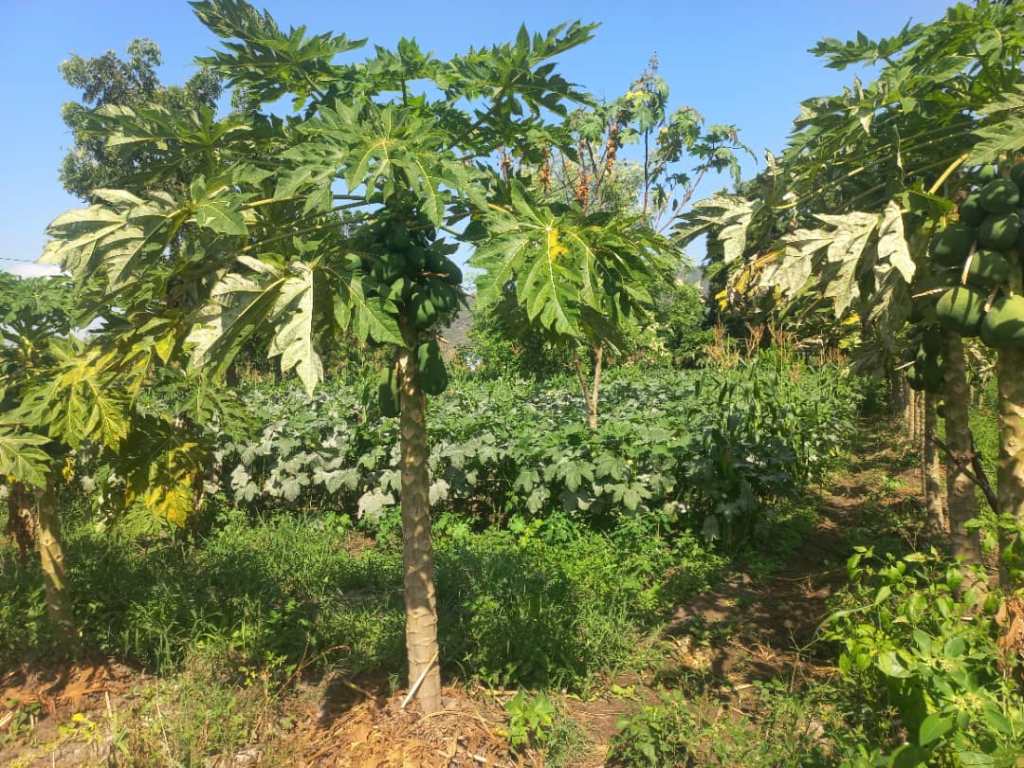
Forest Gardens are multi-layered (vertically layered), integrated agroforestry system that combine trees, shrubs, crops and animals in one area to sustainably produce a variety of products and environmental services.
There are many types of Forest Gardens depending on location and tradition. This project picked the Trees for the Future model as its starting point. Trees for the Future has helped over 10,000 farmers in Tanzania to establish Forest Gardens, starting a transformation of agricultural livelihoods and landscapes.
I am describing here only the type of Forest Garden that we use in Mwanga.
The process of establishing a Forest Garden
Establishing a Forest Garden is done in stages over 3 to 4 years and developed continuously after that. The following reflects the Northern Tanzania weather patter of long rains in April and short rains in November.
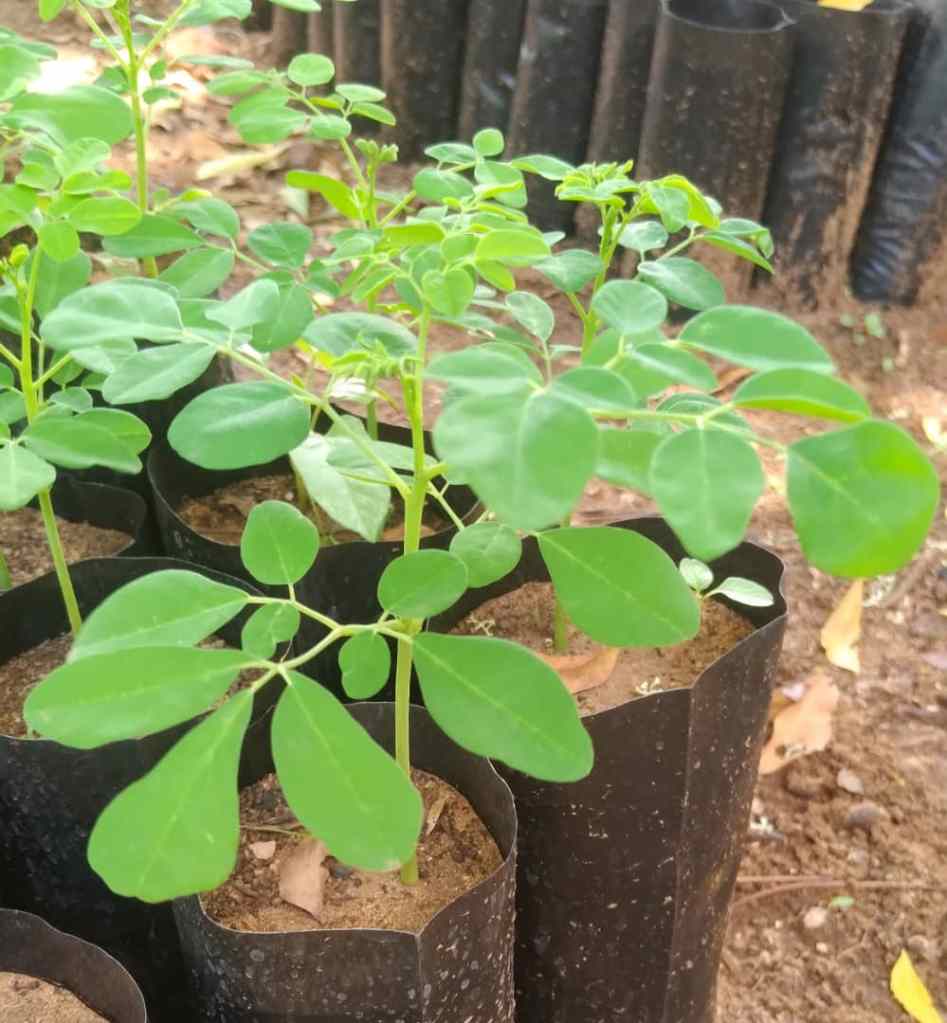
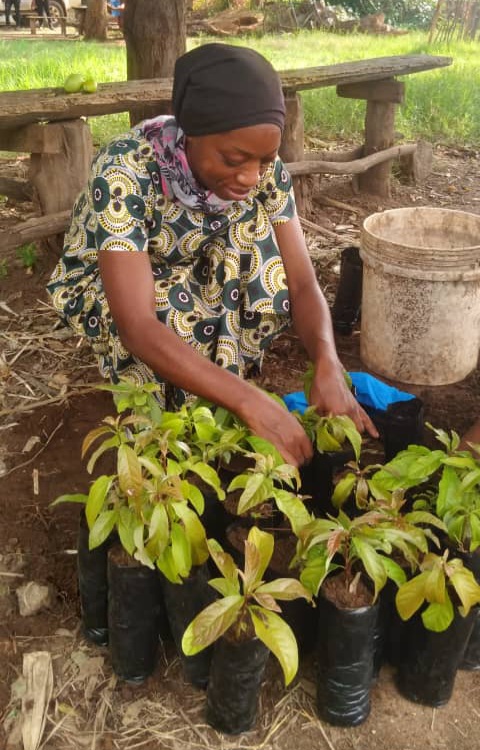
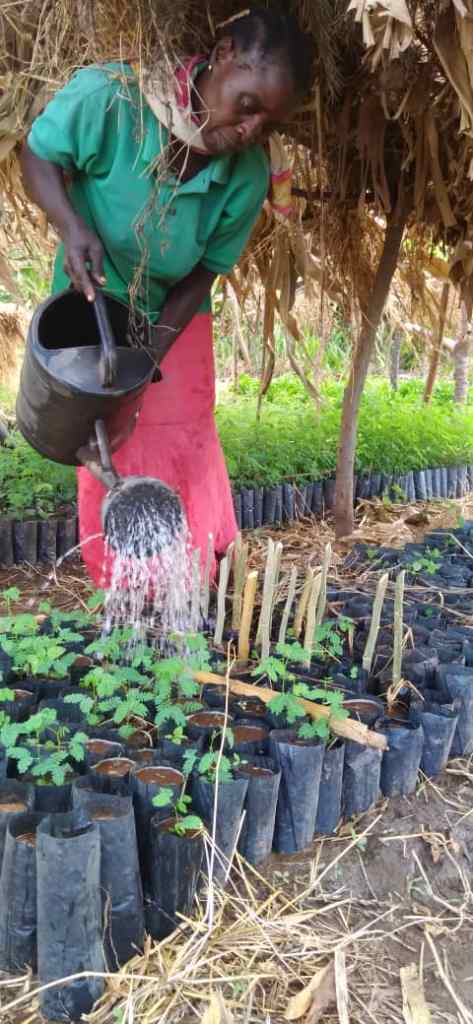
Large-scale tree seedlings nurseries are established in January-February for the live fence or wigo (hedge) which consists of three tree species. All species fix nitrogen from the atmosphere.
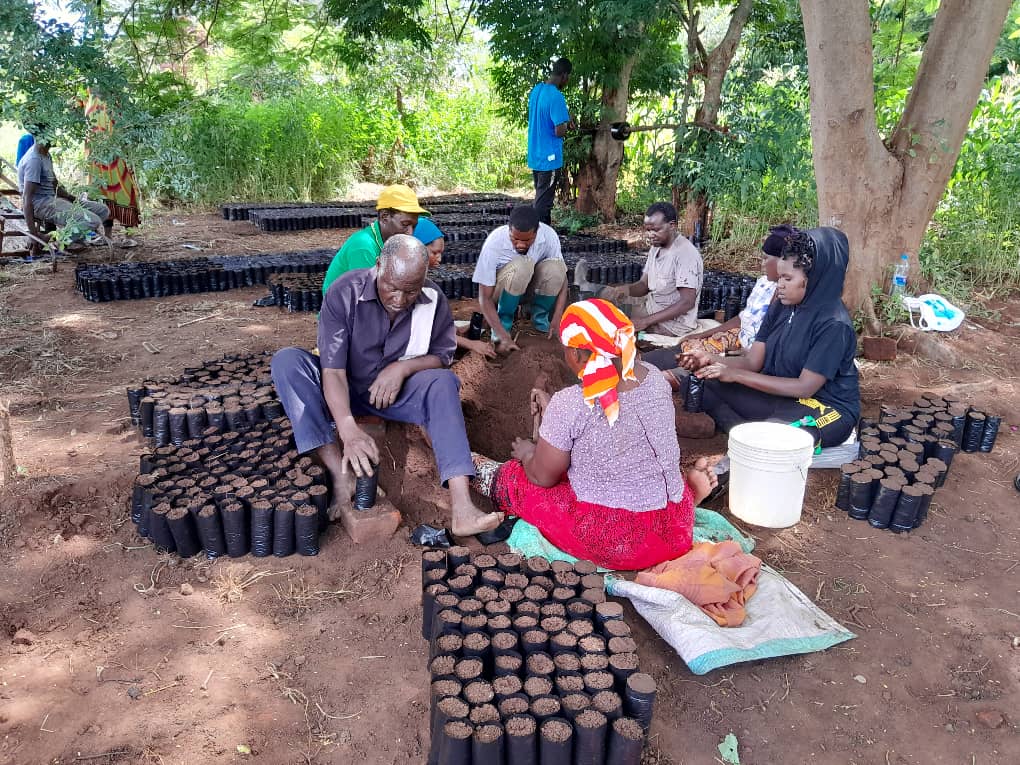
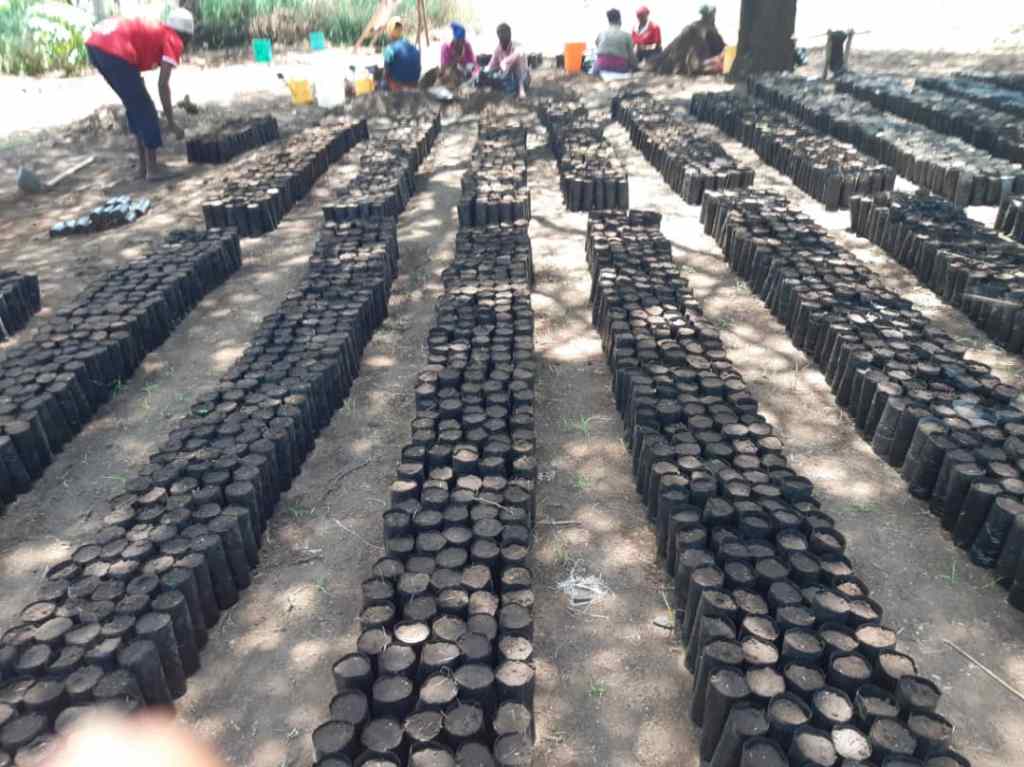
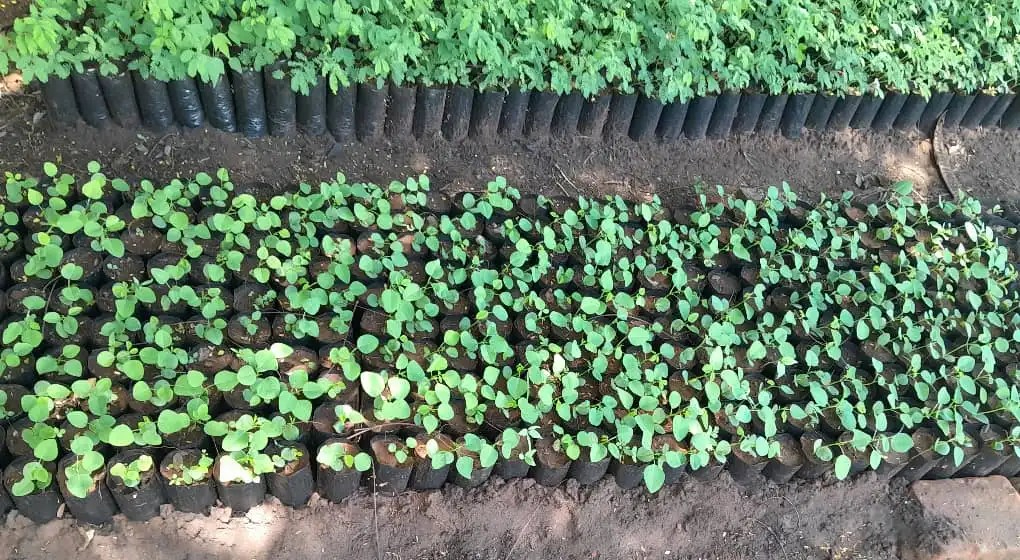
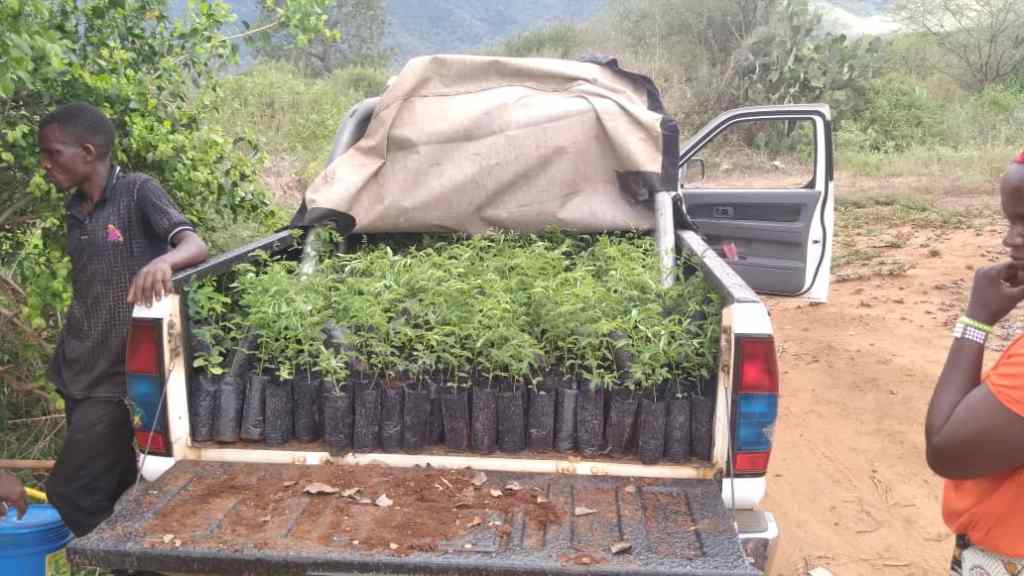
The wigo is planted around the farm at the beginning of the rainy season in early April.
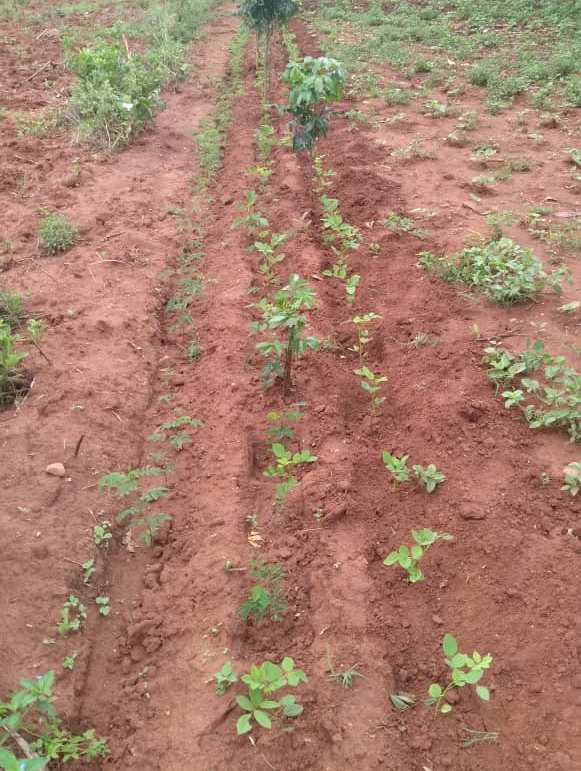
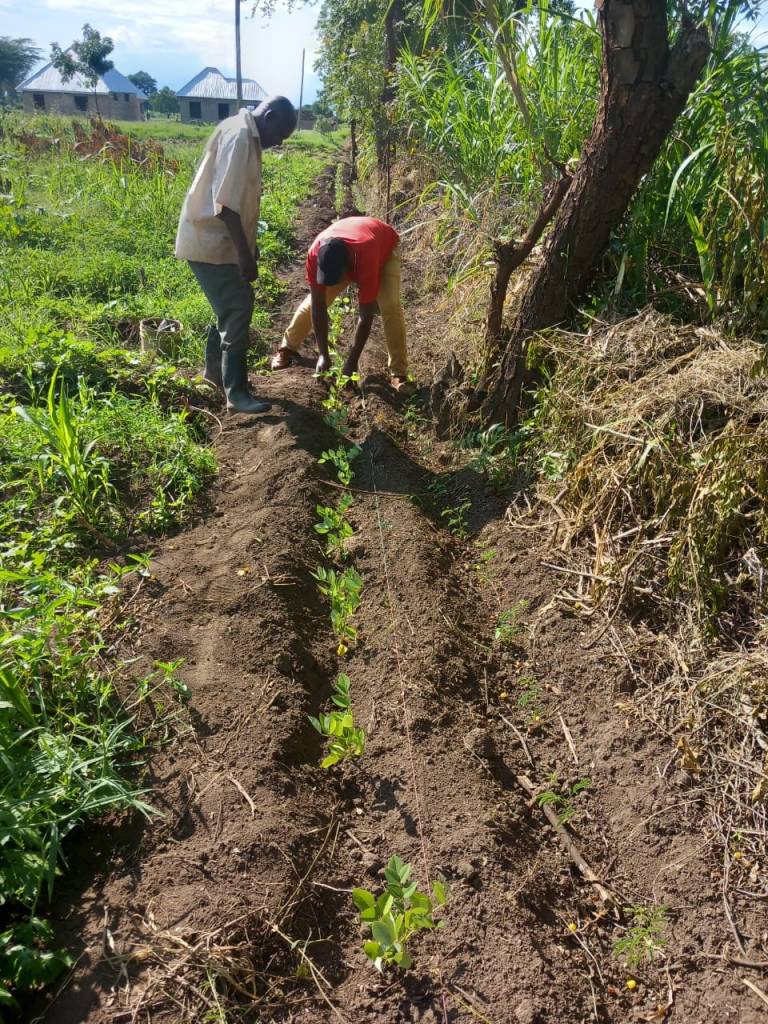
On the outer line Acacia polycantha seedlings are planted at 30cm interval; on the middle line, Gliricidia sepium and Leucaena leucocephala are planted alternately at 30cm interval; and on the inner line Gliricidia is planted at 50 cm interval. The three lines are 50cm apart. In total, the hedge has has about 2500 trees per farm.
Protection:
The hedge is pruned and weaved to keep it less than 2 meters high. It forms a protective green wall to keep all intruders, especially neighbors’ livestock out of the Forest Garden.
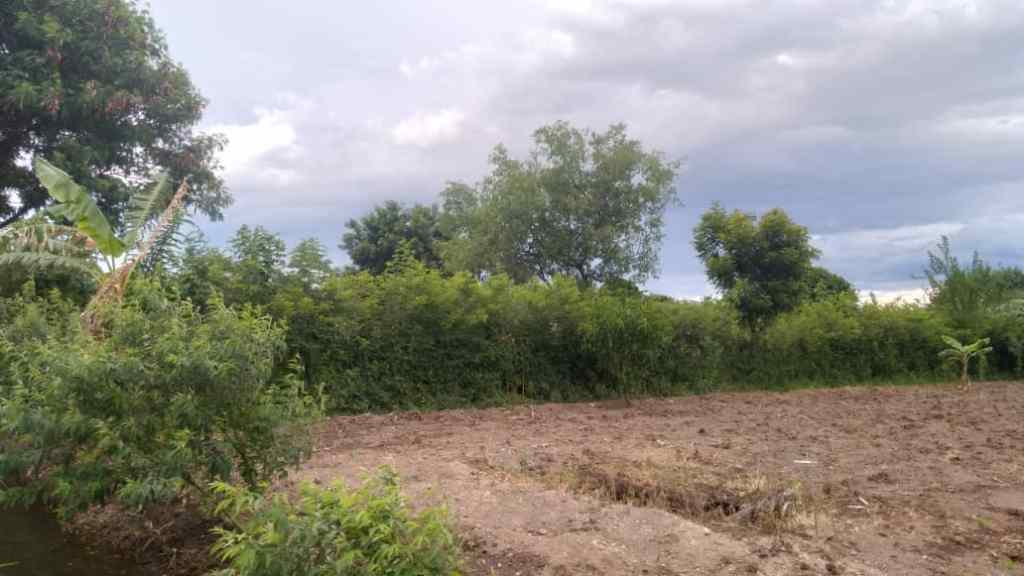
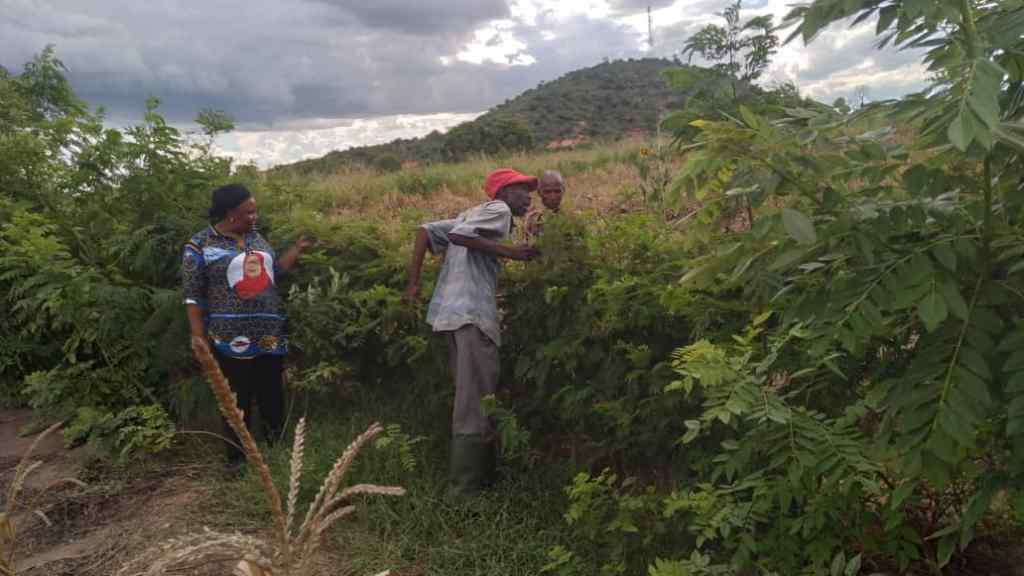
Both Leucaena and Gliricidia are used for fodder (Leucaena alone, Gliricidia as mixed with other fodder types). Gliricidia branches and leaves are cut for mulch or for composting. All larger branches from pruning can be used for firewood.
Diversification:
The farm area inside the live fence is divided for different agroforestry activities by east-to-west alley lines (marejea), or contour lines. Species used for this are Pigeon peas and/or Gliricidia and fodder grass combinations.
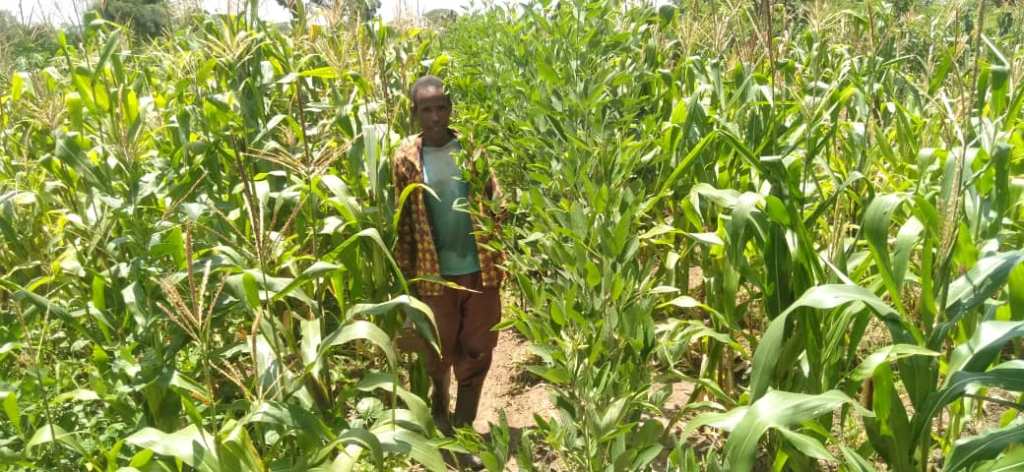
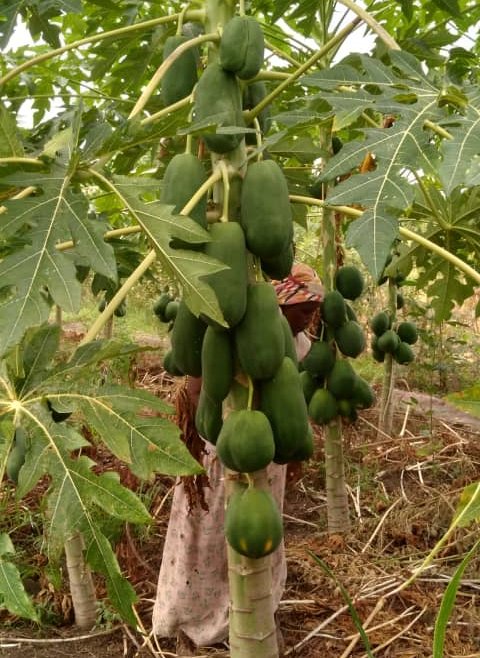
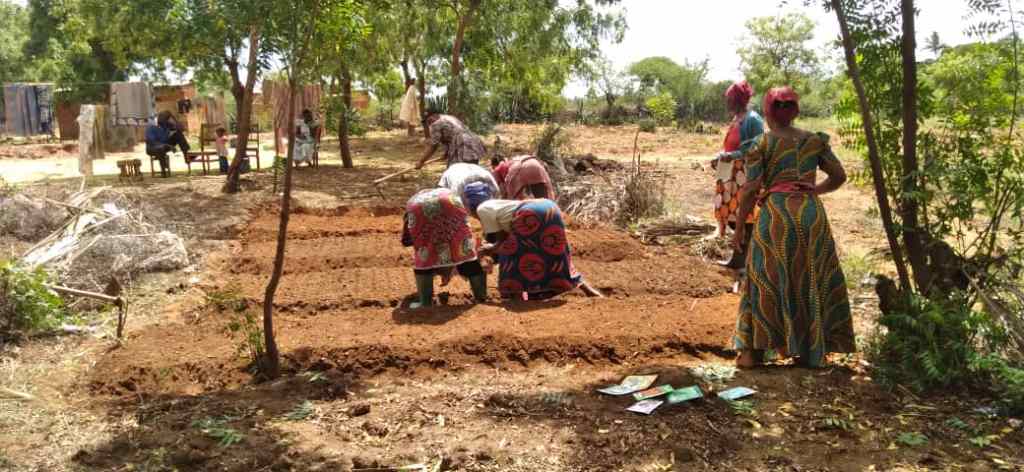
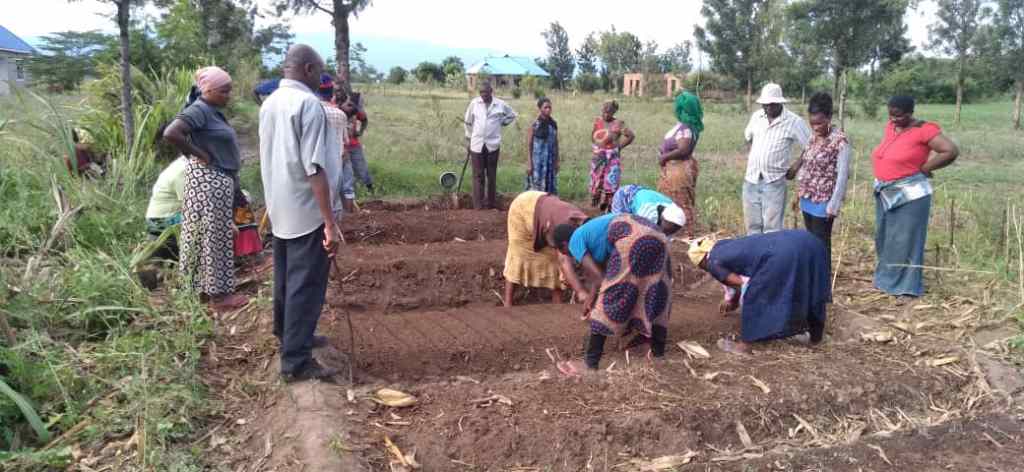
Space is allocated for a variety of fruit and timber trees; maize intercropped with pigeon peas or other legumes; kitchen gardens for vegetables (by irrigation), sweet potatoes, cassava etc. Space is typically allocated vertically for multiple uses (thus multi-layered, with taller plants over shorter plants).
Nutrient recycling:
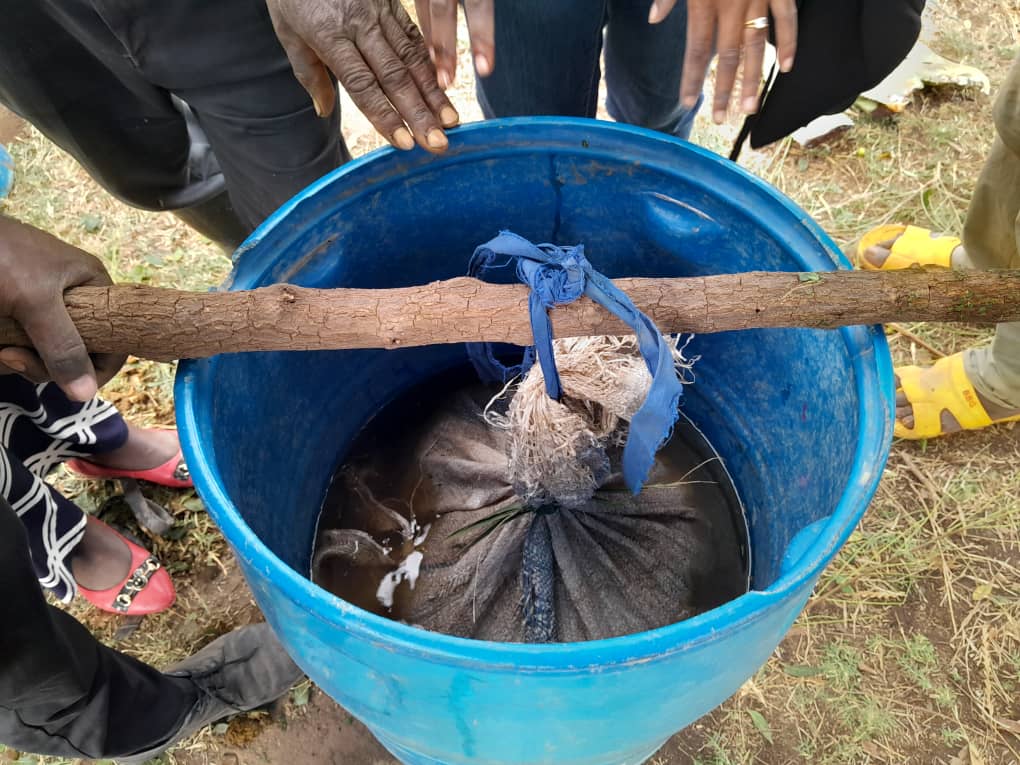
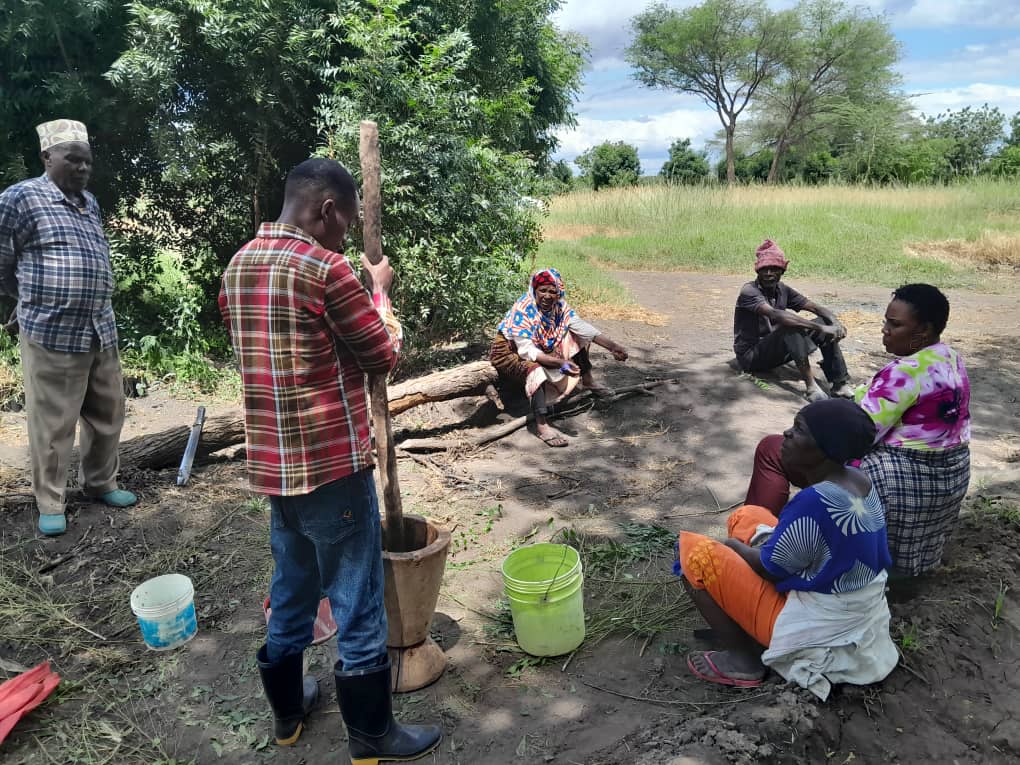
In addition to improving the soil by nitrogen fixing trees (the wigo species and pigeon pea, composting and crop rotation together with organic boosters are used to ensure healthy soils with soil microbes. Organic pesticides are used to combat pests.
Optimisation:
In addition, to assist the Forest Garden process and investments in its development later on, Village Community Banking Associations (VICOBA) are formed to help in getting short-term loans. For the Forest Gardens to thrive, they are developed continuously by species selection, and managed by crop and tree rotation for optimal production.
In the latter part of the project Marketing Associations are formed for collective selling of crops.
It is very helpful if a Forest Garden has its own water source. If ground water level is high enough, it is relatively easy and cheap to have a shallow well dug. This enables watering young fruit and timber tree seedlings during the first two critical years, and makes vegetable growing possible at a larger scale.
 Blog for Forest Gardens in Mwanga, Tanzania
Leave a Reply