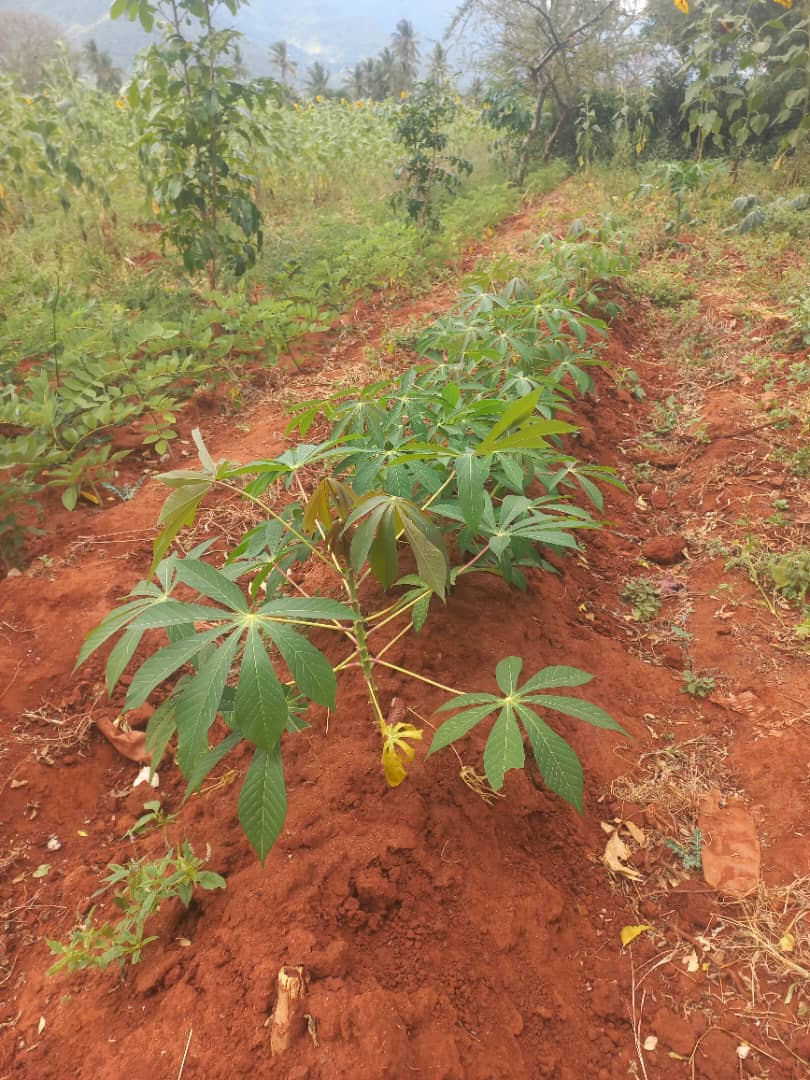
by Julius Mariki
Introduction
Farmer groups were provided with cassava cuttings to plant immediately after the rains had started and soils had got soaked deep enough for planting (early April). We sourced the cuttings from Lushoto. It is important to plant early in the rainy season to give the cutting the chance to establish themselves properly before the rains stop two months later.
The following is the lesson content we taught to farmers.
Cassava (Manihot esculenta) is a tropical root crop cultivated mainly for its starchy tuberous roots. It’s a major source of carbohydrates in Africa, Asia, and Latin America. Cassava is essential for food security, cassava is a hardy, drought-tolerant crop that can be grown in diverse environments, making it an important staple for many countries. particularly in regions with erratic rainfall.
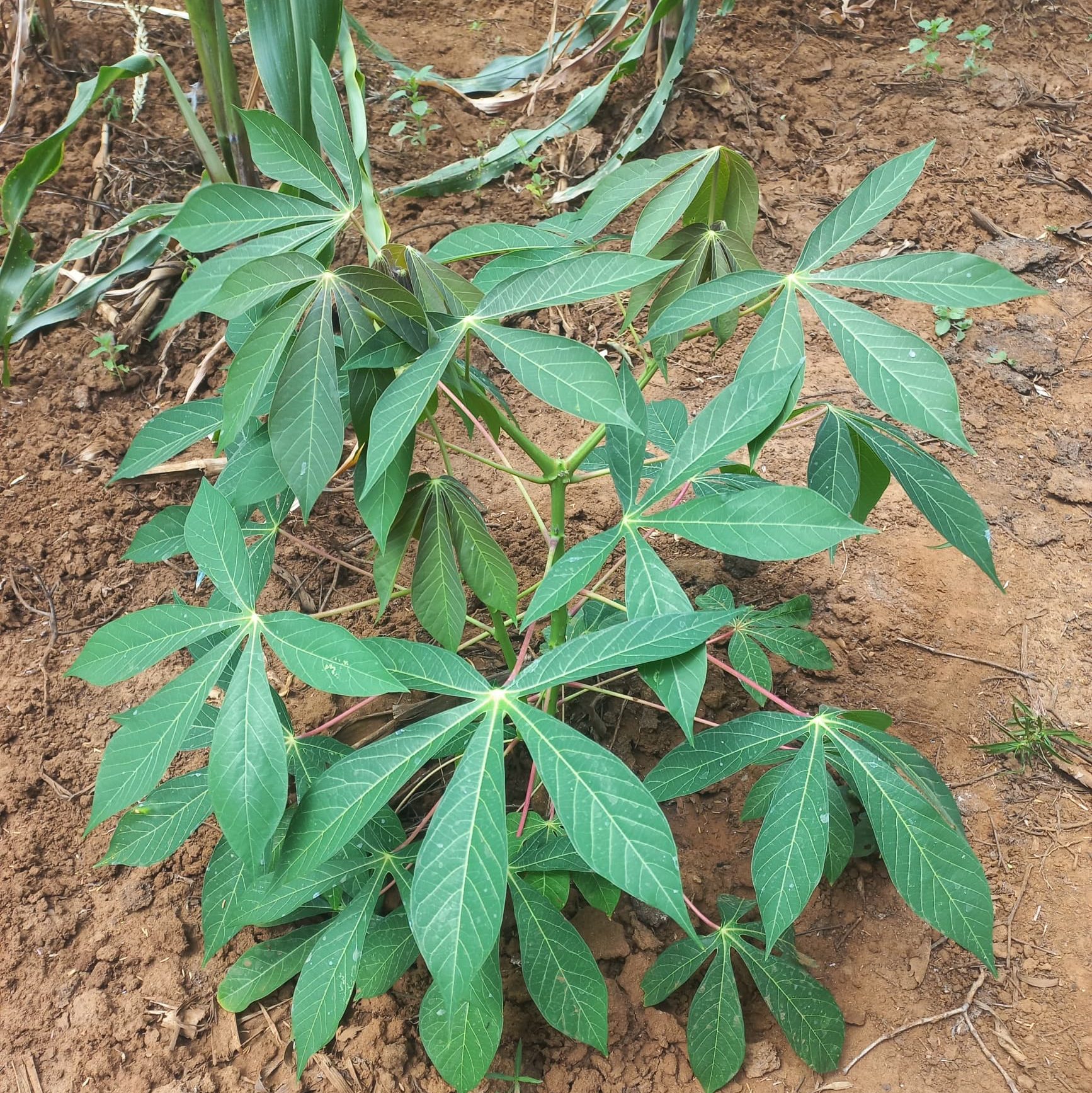
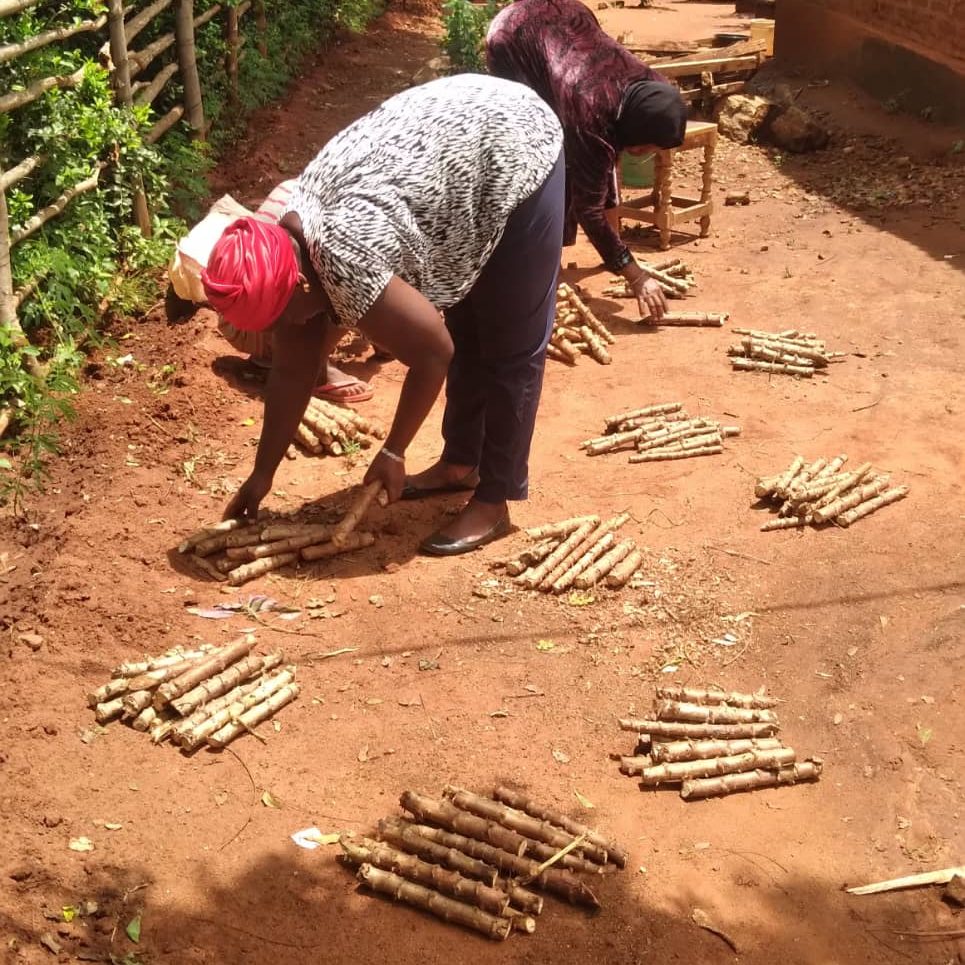
Selection Criteria
- Resistance to diseases like cassava mosaic virus (CMV) and cassava brown streak disease (CBSD).
- Suitability to soil type and climate.
- Maturity period (9–12 months for most varieties).
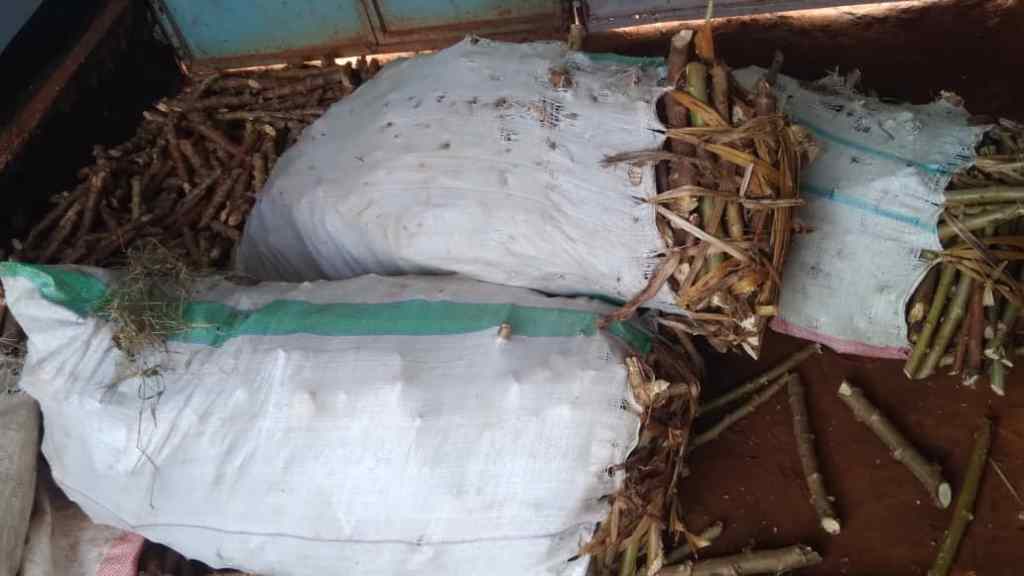
Site selection, clearing, tillage, and pH
- Select well-drained soils with moderate fertility (loamy or sandy soils are best). Avoid waterlogged areas.
- Use manual or mechanized methods to remove weeds and debris.
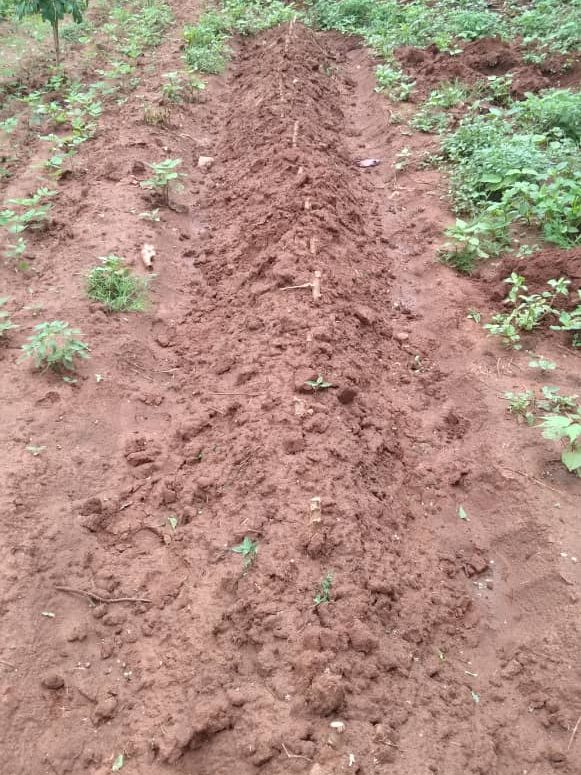
- Plow the land to loosen the soil for proper root development, followed by harrowing to create a fine bed of 60 to 90cm height.
- Ideal pH range is 5.5–7.0. Add lime/ash if the soil is too acidic.
Planting techniques
- Planting Season: Plant at the beginning of the rainy season for best results.
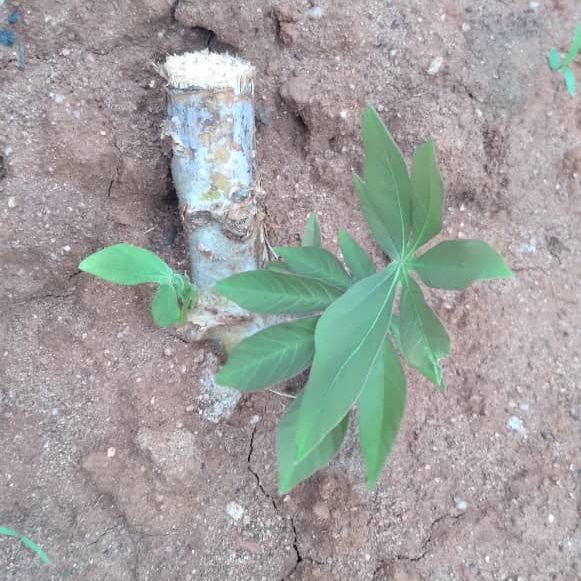
- Stem Cuttings: Use healthy, mature, disease-free cassava stems for planting.
- Cuttings should be about 20-30 cm long and have 4–7 nodes.
- Spacing: Space plants about 1 meter apart in rows and between rows.
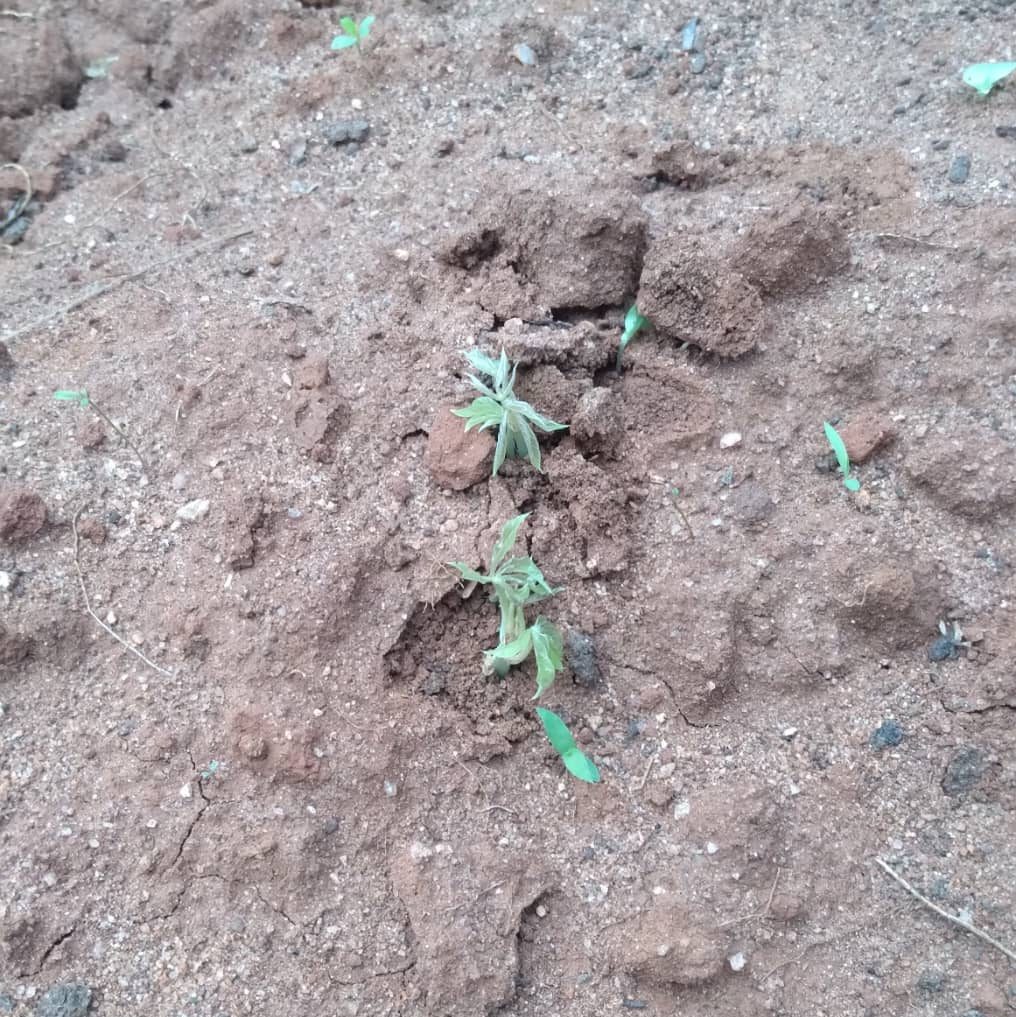
- Planting Depth: Option 1: Place cuttings at a slant, burying about two-thirds into the soil; or Option 2: Burry the whole cutting horizontally about 2cm below the ground.
- Panting Style: can be planted in straight lines a cross the farm as marejea (to form alleys) or in normal as small plot within the farm.
Soil fertility requirements
Cassava is not a very demanding plant. I can also grow in areas with poor soil fertility. However, cassava responds well to organic fertilizers like compost or farmyard manure. Especially when sprouting, adding manure is important, as it increases and retains moisture in the soil.
Weed control
First weeding should be done 3–4 weeks after planting. A second weeding can be done 8–10 weeks after planting. Organic mulches such as straw can suppress weeds and retain soil moisture.
Pest and disease management
Common Pests:
- Cassava green mite (Mononychellus tanajoa)
- Cassava mealybug (Phenacoccus manihoti)
Common Pests:
- Cassava green mite (Mononychellus tanajoa)
- Cassava mealybug (Phenacoccus manihoti)
Disease and pest Management:
- Use resistant varieties.
- Regular field inspections.
- Practice crop rotation to break disease cycles.
- Biological control, chemical control (insecticides, fungicides), and integrated pest management (IPM) strategies.
Water management
Cassava can survive drought but grows best with regular rainfall. In drier areas, supplemental irrigation may be needed, especially during the first 3–4 months after planting.
Harvesting
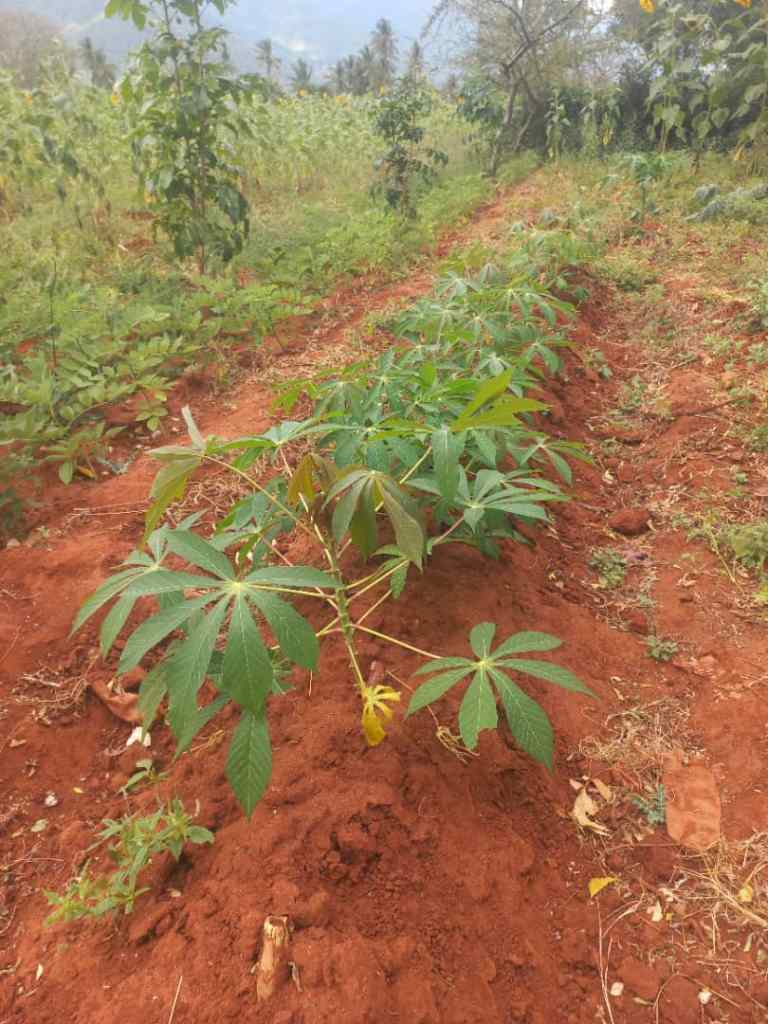
Harvesting typically takes place 9–12 months after planting, depending on the variety. Leaves begin to yellow and fall off. Tubers are fully developed (check by uprooting sample plants). Manual harvesting by uprooting the plants or using hand tools. Tubers are at their biggest just before the rains (as the plant has built its storage underground). When the rains start, the plant starts to grow leaves and uses its underground storage for that.
Post-harvest handling
- Processing: Cassava can be processed into flour, starch, or chips. It is essential to process bitter varieties properly to remove cyanogenic glycosides.
- Storage: Fresh cassava roots are perishable but can be stored for a short time in cool, dry places. Drying and converting to flour or chips extends shelf life.
Marketing and value addition
- Market Identification: Identify markets for cassava-based products such as flour, starch, biofuel, animal feed, or food products.
- Value Addition: Processing cassava into flour, chips, or starch adds value and improves marketability.
 Blog for Forest Gardens in Mwanga, Tanzania
Leave a Reply