
By Julius Mariki
Approximately 723,000 Tsh was spent on purchasing a total of 11 vegetable varieties including collard, black nightshade, Chinese cabbage, spinach, Leshuu, eggplant, okra, onion, chili pepper, carrot, and field pumpkin. The selection of vegetable varieties for our training program was carefully tailored to the water availability in different areas (see more below). This approach aimed to maximize productivity while ensuring that farming practices remained sustainable and adapted to local environmental conditions.
The selection process was a collaborative effort between farmers and project staff, emphasizing participatory decision-making. Together, we discussed how various vegetable varieties respond to different water conditions, leveraging both scientific knowledge and farmers’ experiences. This dialogue not only ensured that the selected crops were suitable for each region but also fostered a sense of ownership and empowerment among the farmers. By aligning vegetable choices with water availability, we laid the foundation for successful vegetable production and long-term agricultural resilience.
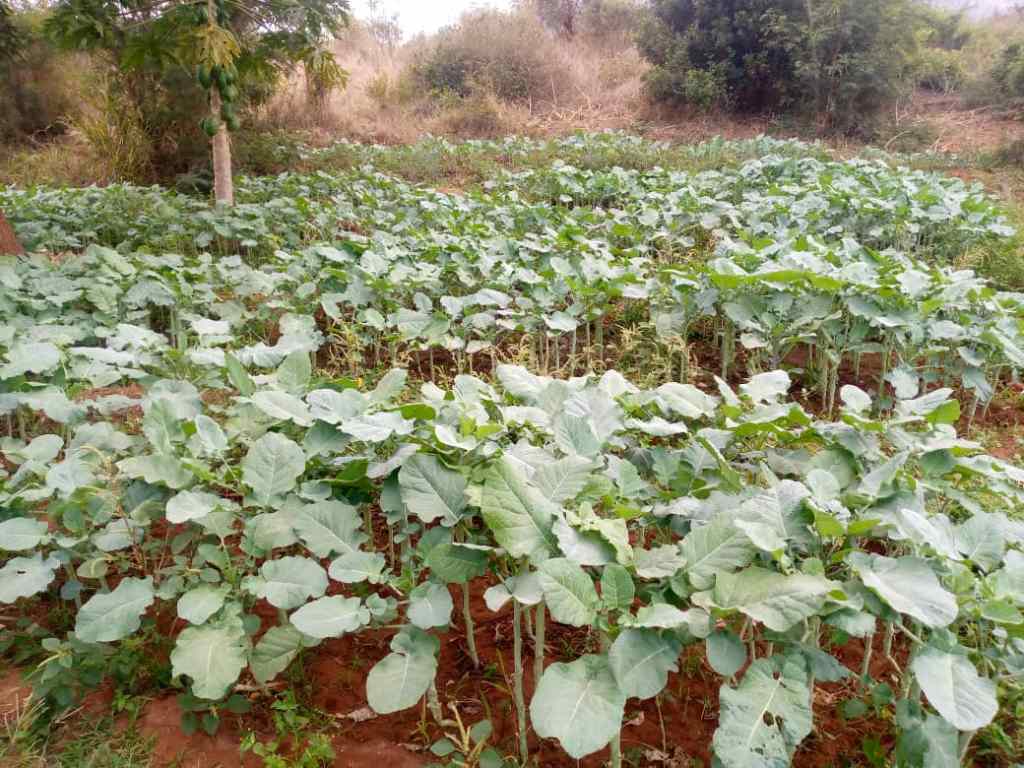
Following the discussions, a tailored selection of vegetable varieties was finalized for each area based on water availability. In water-scarce villages like Kwanyange and Ngulu Kwakoa, the chosen vegetables included the following which are well-suited to thrive with minimal water:
- collard
- kale
- black nightshade
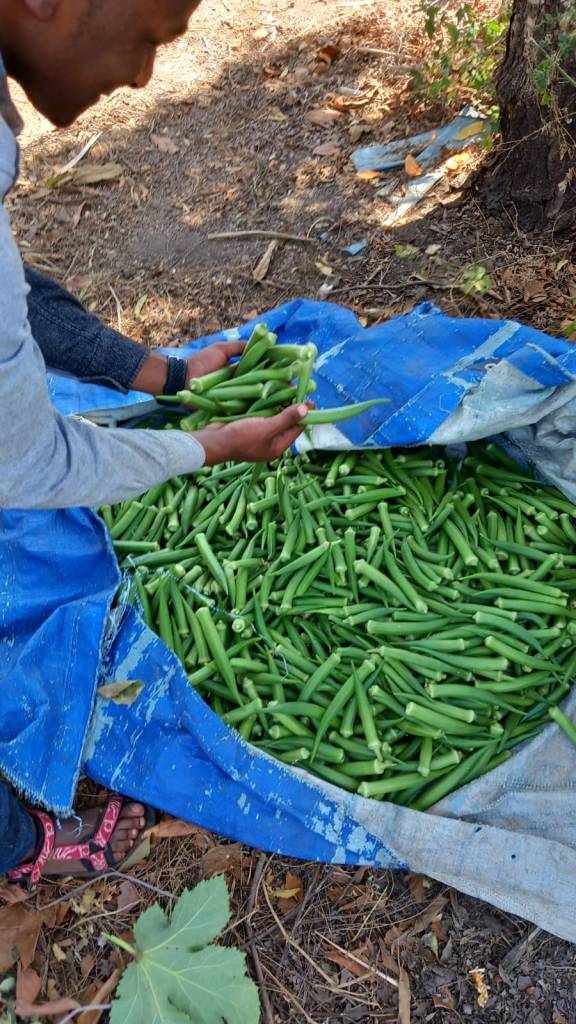
- okra
- onion
- chili pepper.
Meanwhile, for water-abundant villages such as Kisangara, Kituri, and Kitopeni, the selected crops included
- spinach
- Leshuu
- Chinese cabbage
- eggplant
- field pumpkin
- carrot
- onion
- chili pepper.
This strategic selection ensures optimal productivity while addressing the specific water conditions of each region, fostering sustainable farming practices.
Direct sowing or nurseries for pre-growing?
Okra, carrot, and field pumpkin were directly sown in the main field, while the remaining leafy vegetables and fruit vegetables, such as eggplant and chili pepper, were first started in the nursery. This approach ensured proper germination and growth conditions for each crop type before transplanting or direct cultivation.
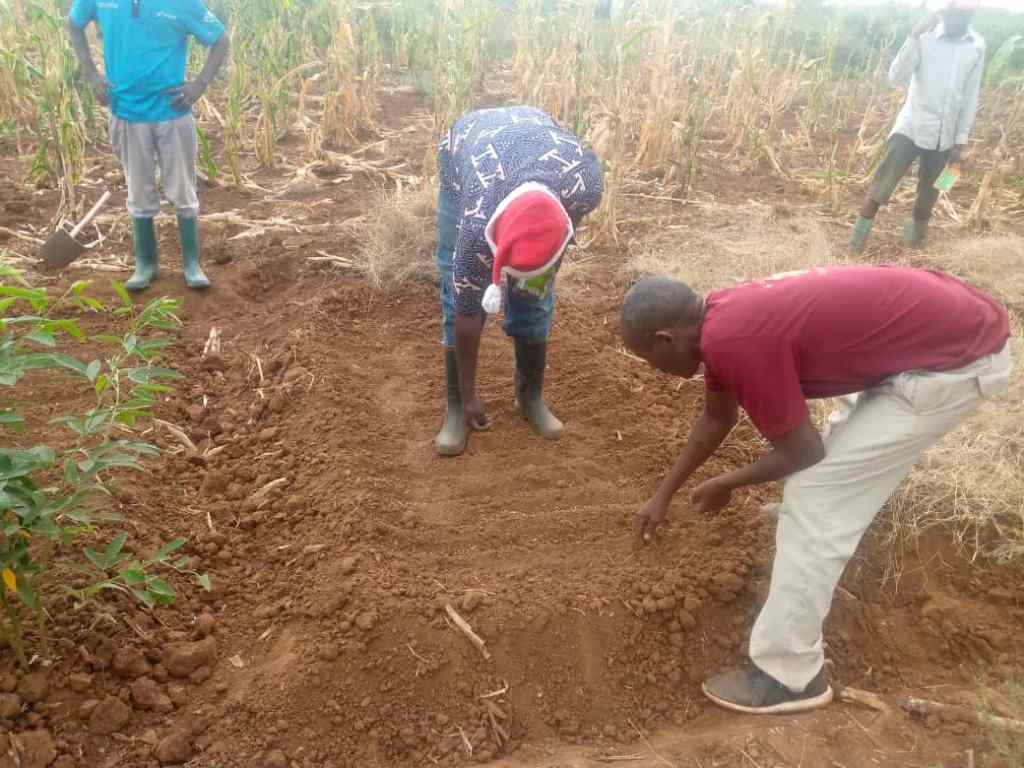
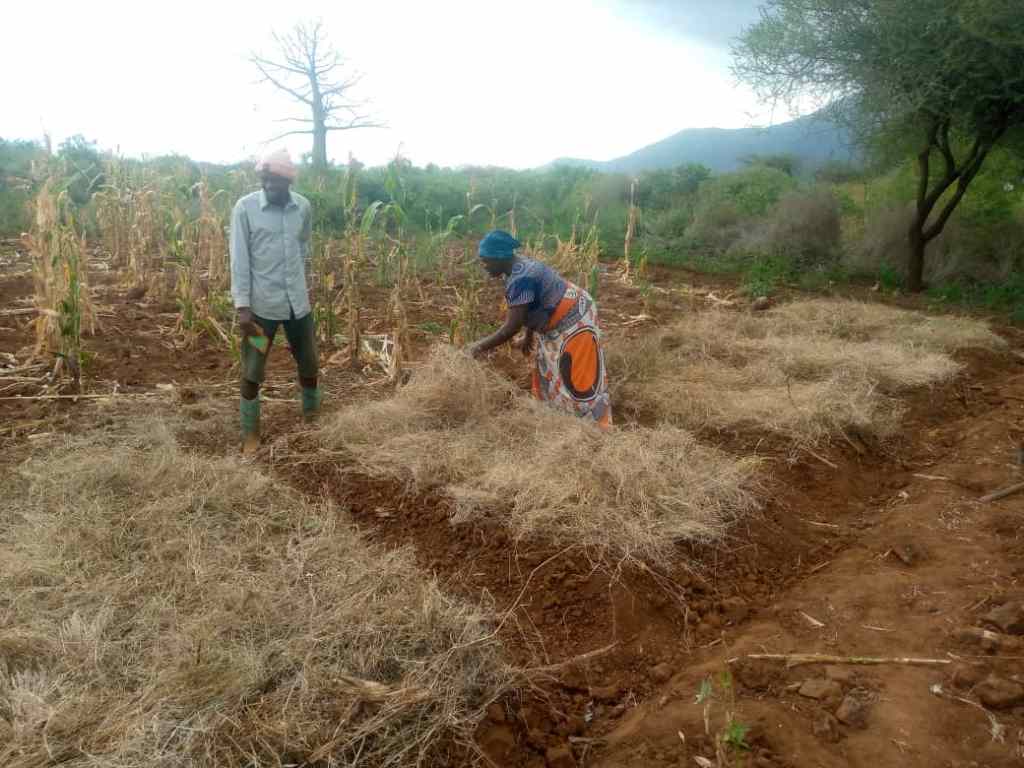
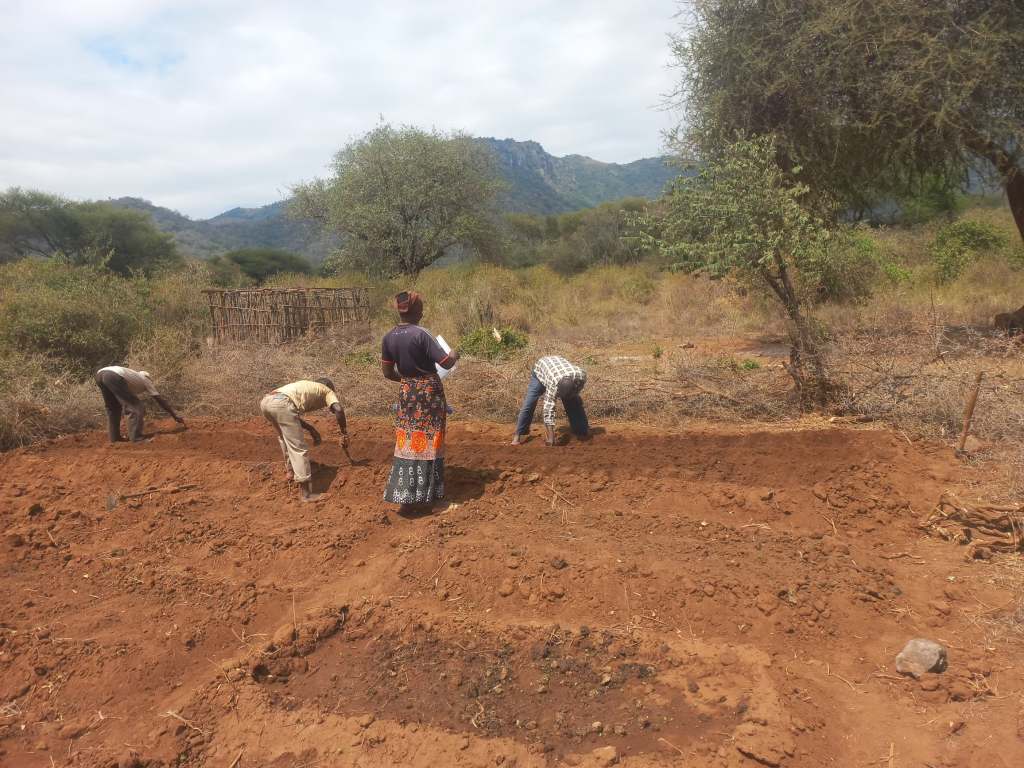
Bed preparation
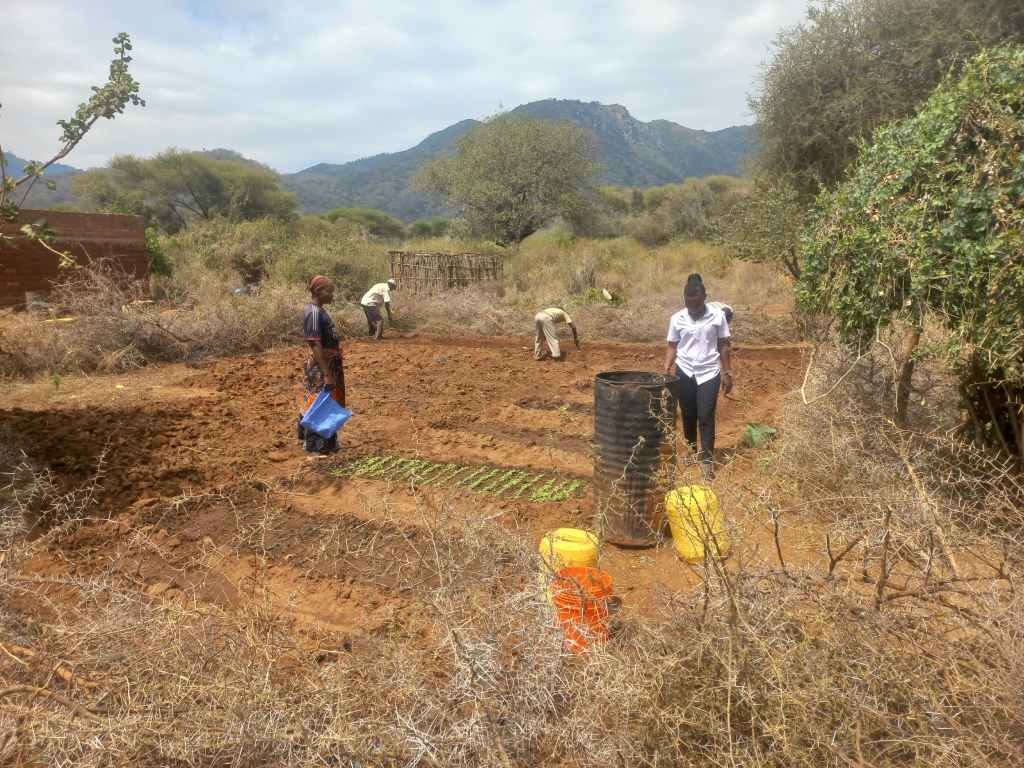
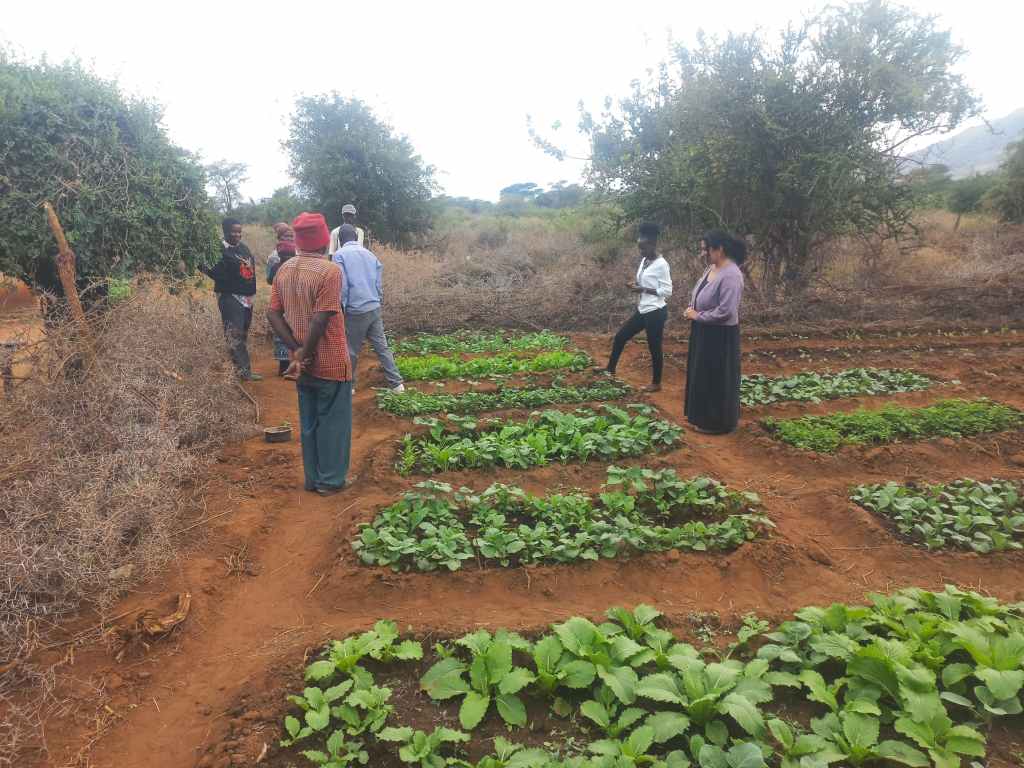
Two types of beds were used: raised beds measuring 1 meter by 10 meters for drip irrigation, where eggplant, onion, and chili pepper were planted, and sunken beds measuring 2 meters by 5 meters for manual irrigation using watering cans, which were dedicated to all leafy vegetables. This arrangement optimized water use and crop growth based on the irrigation method and crop requirements.
Sheets (pdfs) on technical information for each stage of the training:
Vegetable production in groups and on individual farms
Vegetable production was organized into two types which are individual and group production. In individual production, each farmer was responsible for taking seedlings and cultivating them at their home areas, managing their vegetables independently. In contrast, group production involved a collective effort where the vegetable plot was jointly managed by the entire group, with all members sharing equal responsibility for the cultivation and care of the vegetables. This structure allowed for flexibility and collaboration, catering to the needs and capacities of the farmers.
The choice of production system was influenced by factors such as the distance from the farmer’s home to the nursery, water availability, and the farmers’ flexibility to participate in group activities. For instance, in Kisangara village, all groups opted for group-based vegetable production due to the abundant water supply, which facilitated easier management and assessment of production. In contrast, in Ngulu Kwakoa, farmers practiced individual production because water scarcity made group management less practical, prompting them to cultivate vegetables independently.
Pest and disease control
One representative from each group, all project staff and extension officers received training in basic organic farming at SAT, which included pest and disease management. We used this knowledge, e.g. various pest control methods were applied, including the use of botanical pesticides like neem to control Aphids, proper fertilization, efficient irrigation, intercropping with onions and chili peppers, regular weeding, and selecting resistant vegetable varieties. These integrated practices ensured effective and sustainable pest management
Achievement
During vegetable training and production, farmers gained valuable knowledge on key practices such as nursery establishment, sowing, transplanting, and managing pests, particularly aphids. This knowledge enables them to enhance their vegetable farming techniques, resulting in improved yields. Additionally, the vegetables produced not only contribute to better household nutrition through home consumption but also generate income from sales, improving the farmers’ overall livelihoods.



 Blog for Forest Gardens in Mwanga, Tanzania