By Yahaya Jumanne
Planting Comfrey:
We propagated through root cuttings or crown divisions, as this method ensures faster growth. It prefers sunny locations, but can also tolerate partial shade. Once established, comfrey is drought-resistant and can thrive with minimal care.
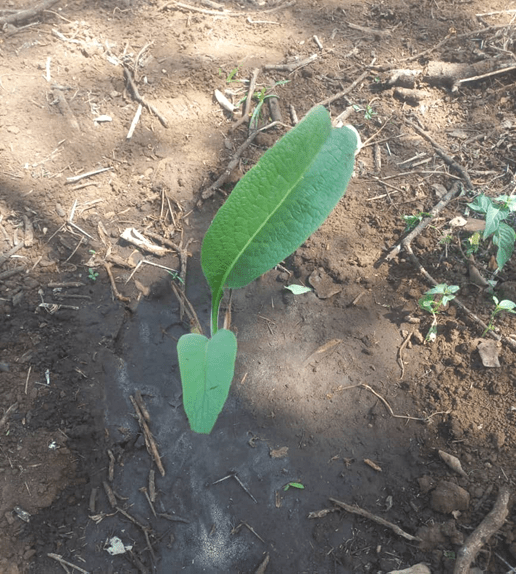
Spacing: Plant comfrey 2-3 feet apart, as it grows large and spreads quickly.
Watering: Ensure the soil is kept moist during the early stages, but once established, comfrey is highly drought tolerant.
Pruning: Cut the leaves back regularly to encourage new growth, and use the harvested leaves for mulch or compost.

Precautions and Ethical Considerations
Although comfrey is incredibly beneficial, it’s essential to be aware of the plant’s potential toxicity when used internally. The pyrrolizidine alkaloids in comfrey have been linked to liver damage in some studies. Therefore, it’s generally recommended to avoid consuming comfrey, particularly in large quantities or over extended periods. It is best used topically or as a garden aid.
A Must-Have in Every Sustainable Garden Comfrey is truly one of nature’s most versatile and valuable plants. Whether you’re looking to enrich your soil, create natural fertilizer, or support your livestock, comfrey offers an array of benefits that can enhance any organic farming or gardening system. With proper care and management, comfrey can be a cornerstone in creating more sustainable and regenerative agricultural practices.
Why did we introduce Comfrey?
Comfrey (Symphytum officinale) is a perennial herb that has been revered for centuries for its remarkable medicinal, agricultural, and environmental benefits. Native to Europe and parts of Asia, comfrey is now grown worldwide due to its wide range of applications. This resilient plant, often found in gardens and along riverbanks, has become a go to for organic farmers, gardeners, and herbalists.
In this blog, we’ll explore comfrey’s unique properties, its benefits, and why it’s an essential addition to any garden.
Understanding Comfrey: The Basics
Comfrey is a robust herb with large, rough leaves and small, bell-shaped flowers that range in color from purple to white. It grows in damp, well-drained soil and can grow up to 5 feet tall. What makes comfrey stand out, however, is not just its ability to flourish under a variety of conditions but its deep root system, which mines nutrients from the subsoil, improving the overall fertility of the land.
The Importance of Comfrey:
1. Soil Enrichment
Comfrey is often referred to as a “dynamic accumulator” because its deep roots pull up essential nutrients, such as potassium, calcium, and nitrogen, from the soil. This makes it highly beneficial as a natural fertilizer. Gardeners commonly use comfrey leaves in compost piles or as mulch, allowing these nutrients to return to the soil and nourish other plants.
2. Comfrey Tea Fertilizer
A popular method is creating “comfrey tea,” a nutrient-dense liquid fertilizer. To make this, the leaves are soaked in water, releasing essential minerals and trace elements that plants need for healthy growth. This liquid feed is particularly high in potassium, making it ideal for flowering and fruiting plants.
Comfrey Tea Fertilizer Recipe:
- Harvest comfrey leaves and pack them into a large container.
- Fill the container with water and cover it.
- Let the leaves decompose for 2-4 weeks, stirring occasionally.
- Strain the liquid and dilute it with water (1:10 ratio) before using it as a liquid fertilizer around plants.
3. Animal Forage
Comfrey also serves as excellent fodder for animals, particularly for poultry and livestock. Its high protein content and essential nutrients make it a valuable addition to animal diets. Because of its rapid regrowth, comfrey can be harvested several times a year, ensuring a sustainable feed source.
4. Erosion Control
With its deep and fibrous root system, comfrey is often used for controlling soil erosion. It helps stabilize the soil, especially in areas prone to washouts or on steep slopes. As an added benefit, the plant contributes to improving soil structure and retaining moisture in the ground.
5. Companion Planting and Pollinator Attraction
Comfrey is a favorite in permaculture gardens because it attracts beneficial insects, such as bees and pollinators, when it flowers. When planted near fruit trees or vegetables, comfrey can enhance pollination and support the overall health of the garden ecosystem.
 Blog for Forest Gardens in Mwanga, Tanzania