
Forest Gardens in Tanzania
Blog page with the aim of documenting all main steps needed to establish a Forest Garden from an open shamba.

This blog derives its content from a project Forest Garden Farming for People and the Planet in Mwanga – and hopefully in the future also from Forest Gardens for Human and Environmental Wellbeing in Masasi. The project in Mwanga started in January 2023, however the blog documents activities starting from the beginning of 2024. We have two sets of farmers in the project, ‘old farmers’ who joined the project in January 2023 and ‘new farmers’ who started in December 2023. In this blog we follow the activities and trainings with the new farmers.
The project in Masasi started in January 2025.
We use a similar approach to Forest Gardens to what Trees for the Future uses elsewhere in Tanzania. We are grateful for their advise and support to get started in this valuable and impactful work. This is the first time this approach is put in practice in Northern Tanzania and the Southern Coastal Lowlands in Tanzania, and thus the aim is to learn as much as possible about the performance of the tree and crop species selected, and the way farmers receive the project.
The projects last for four years, which is the minimum required to go through all the phases from ‘protection’ to ‘diversification’ and ‘optimization’. Both projects are funded by the Ministry for Foreign Affairs of Finland through a Finnish organisation called Liana. The Mwanga project is hosted at, and locally operated from KIWAMWAKU and the Masasi project is done with KIMAS. In both projects, government agricultural extension officers work as facilitators alongside staff and interns.
The aim of this blog is to document practices, methods and techniques that the projects use. Transforming monocropped maize fields, or maize-bean fields into diverse Forest Gardens is a big thing. We hope that documenting our experiences will be useful for others who are interested in establishing Forest Gardens, or planning projects that introduce Forest Gardens somewhere in similar environments.
We also draw lessons from Sustainable Agriculture Tanzania (SAT) organic agriculture training courses, and thus we gratefully acknowledge them as the source of many organic practices that we describe in the articles of this blog page. All the facilitators and group leaders take part in these courses at suitable times of the Forest Garden establishment.
Who we are?
Yahaya Jumanne, Lead Forest Garden Project Officer
Yahaya is the main contributor to this blog. His articles are grounded in rich, hands-on experience working directly with local farmers in the field. He is a forester by training, having graduated from Sokoine University of Agriculture in Morogoro, Tanzania, in 2021. Since his studies, he has been passionate about growing things, always eager to experiment and learn from the results. Before joining the project, he managed his own nursery in Arusha.
In September 2023, Yahaya joined the project in Mwanga, where he has steadily taken on more leadership responsibilities and has become a key pillar in sustaining project activities. As of September 2025, he has been promoted to Lead Forest Garden Project Officer, serving as the team leader for all activities, not only forestry.
Yahaya also posts related things on LinkedIn.

This blog is steered along by Liana Forest Gardens Project Coordinator Eija Soini Coe, who encourages contributions from the field and often helps bring the articles online. Eija has a PhD in development geography from the University of Helsinki. Her career in development research and community development began in 1999 when she joined ICRAF, though her experience in East Africa dates back to 1976. She is a founder member of Liana and has coordinated Liana’s activities since its establishment in 2005. At the heart of Eija’s work is international development and the leadership of community-based projects, supported by a rich set of complementary skills including research, solution-focused coaching, digital communications, graphic design, and organisational leadership.
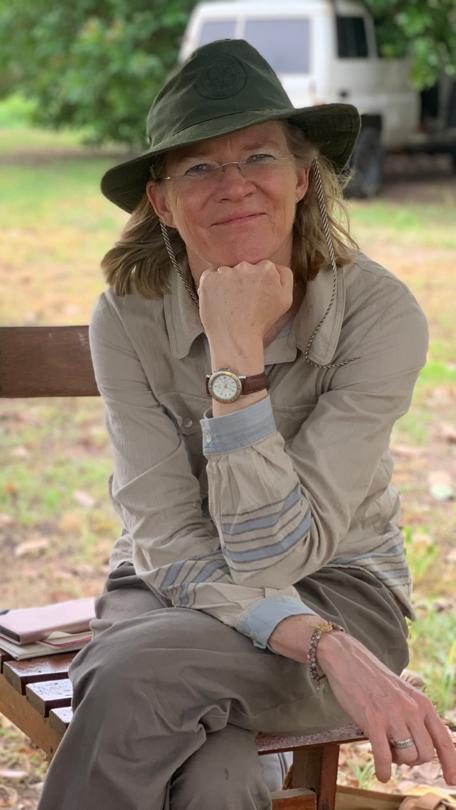
Julius Mariki, Forest Garden Project Officer (Horticulture)
Julius stayed with the project from January 2024 till May 2025. He has a Bachelor degree in horticulture from Sokoine University of Agriculture, and his hands on experience in agricultural projects have equipped him with a solid foundation to understand the complexities of sustainable farming. He has expertise in soil management, crop rotation, intercropping and integrated pest management; and experience in working closely with communities. He is passionate about environmental conservation, and committed to sustainable agriculture, community development, and environmental stewardship.

Gladness Kaaya, Intern, Assistant facilitator, Forester
Gladness stayed with the project in Mwanga from September to December 2024 as an intern, and in Masasi as a Project officer from January to July 2025. She graduated from the Sokoine University of Agriculture with the Bachelor in Forestry in 2023. Despite of having graduated so recently she had already acquired valuable work from volunteering and through internship positions. Her interests lies in hands-on development and conservation activities, with a focus on Agroforestry.

Welcome to read!
-

How we Grow and Use Comfrey in Forest Gardens
By Yahaya Jumanne Planting Comfrey: We propagated through root cuttings or crown divisions, as this method ensures faster growth. It prefers sunny locations, but can also tolerate partial shade. Once established,…
-
Growing passion fruits and guava
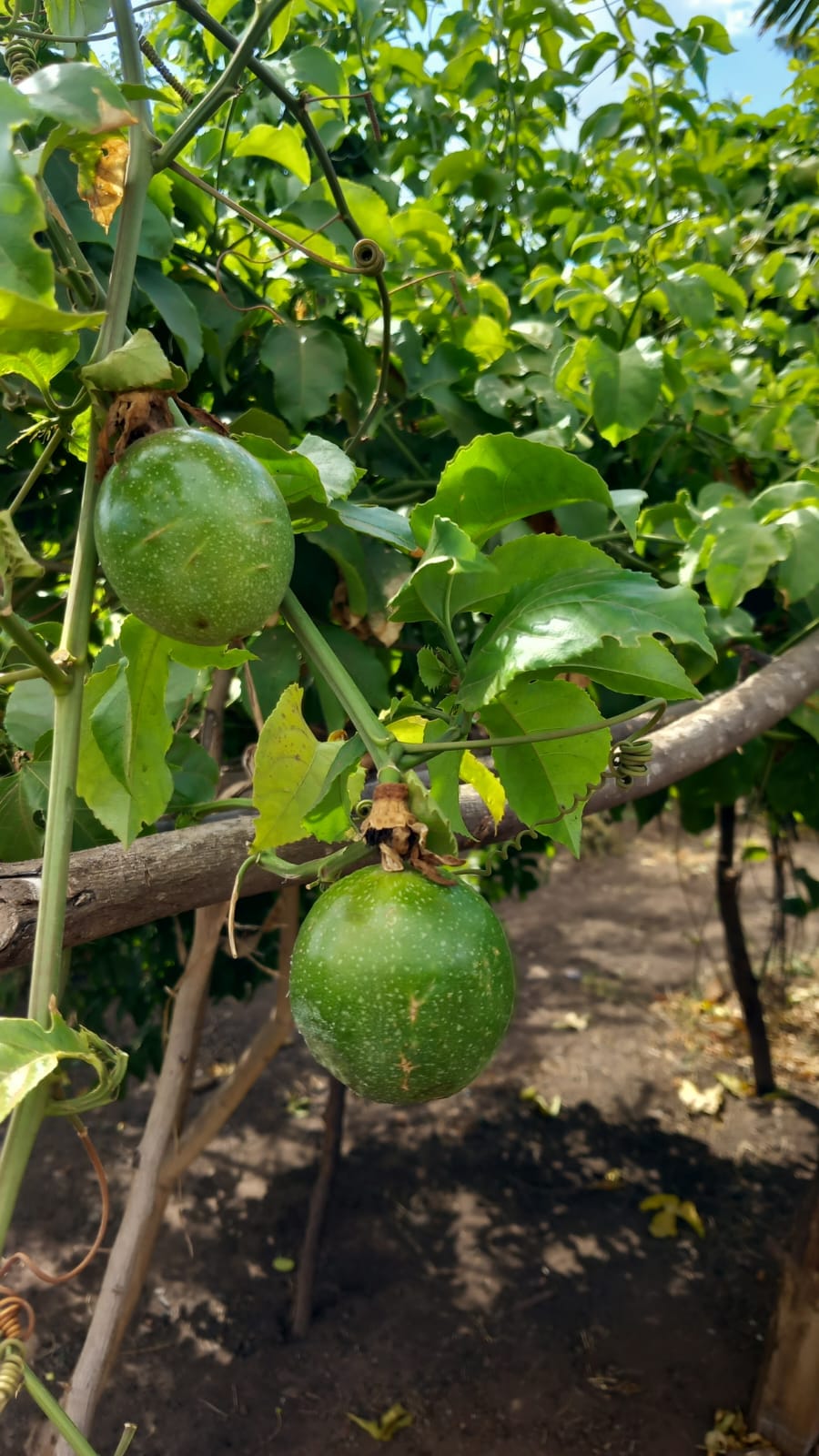
by Yahaya Jumanne Passion fruits The youth groups involved in the project grew approximately 1,050 passion fruit seedlings. Despite their efforts to sell these seedlings in open markets, only a few…
-

Vegetable growing with groups
By Julius Mariki Approximately 723,000 Tsh was spent on purchasing a total of 11 vegetable varieties including collard, black nightshade, Chinese cabbage, spinach, Leshuu, eggplant, okra, onion, chili pepper, carrot, and…
-

Experiences from papaya growing
by Yahaya Jumanne We provided farmer groups with high-yield papaya seeds, the MALKIA F1 hybrid variety known for its early fruiting capabilities. These seeds were planted in polythene bags within tree…
-
Protecting Forest Gardens from Elephants
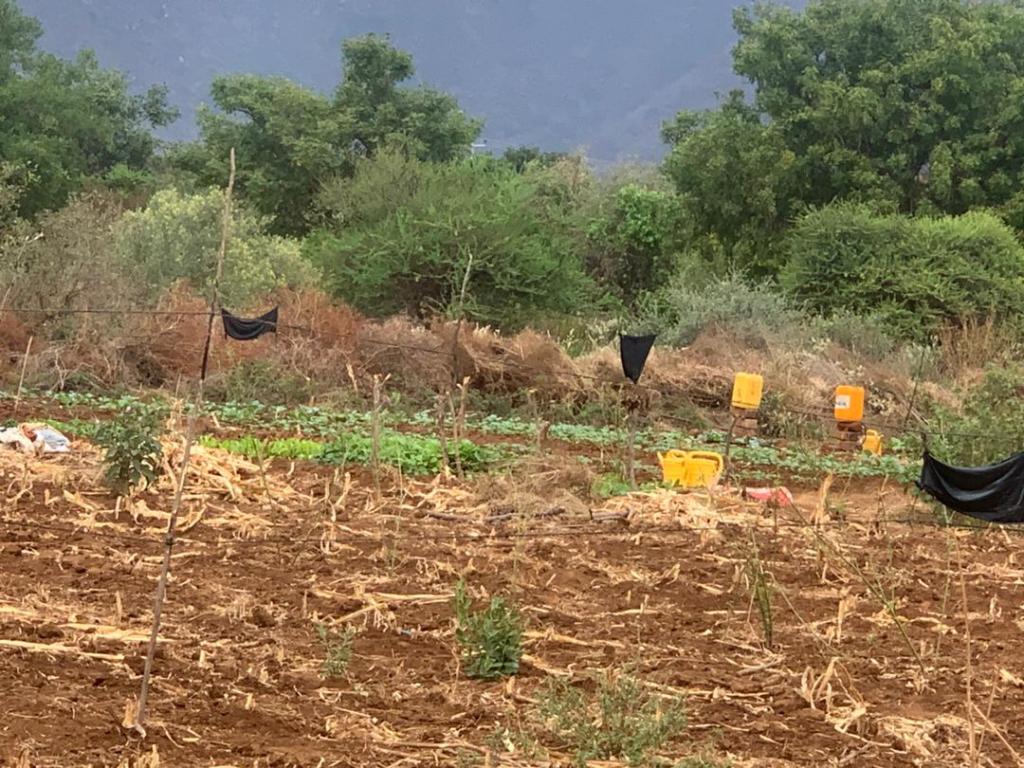
By Gladness Kaaya We have three villages in the project with an elephant problem. Elephants wandered into farmers’ fields in search of food, leading to significant damage to crops and property.…
-
Sweet potatoes
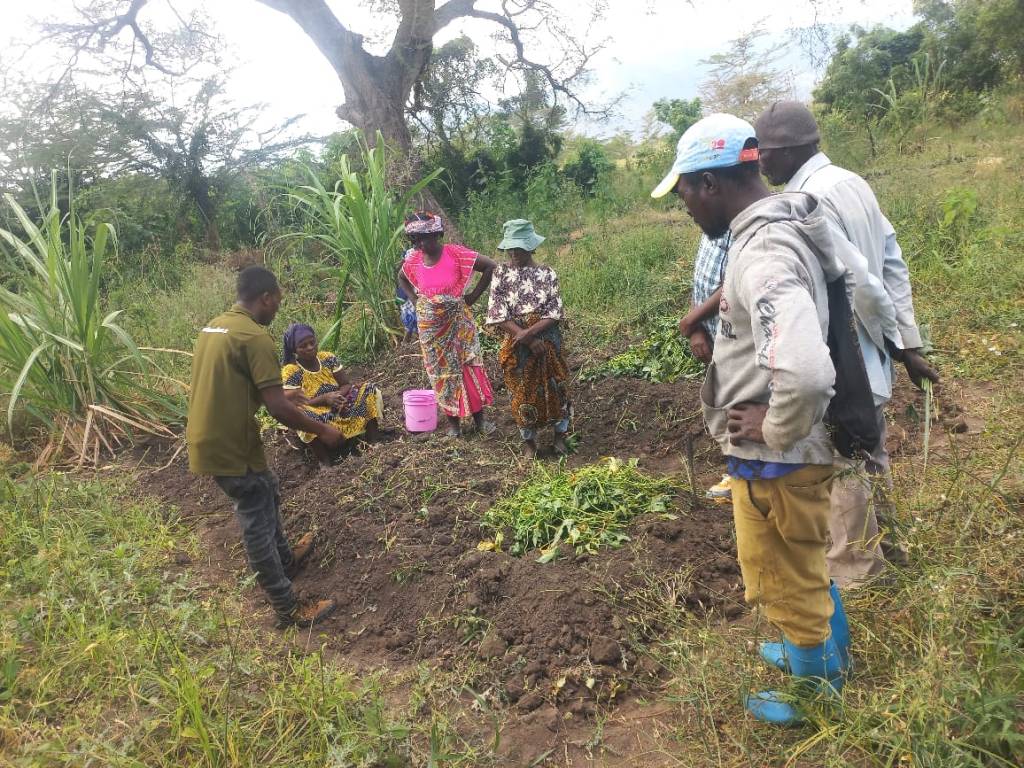
By Julius Mariki Sweet potatoes (viazi lishe, orange-fleshed sweet potatoes) were planted immediately after the rains stopped in early June to avoid too much moisture that makes the vines rot. Planting…
-
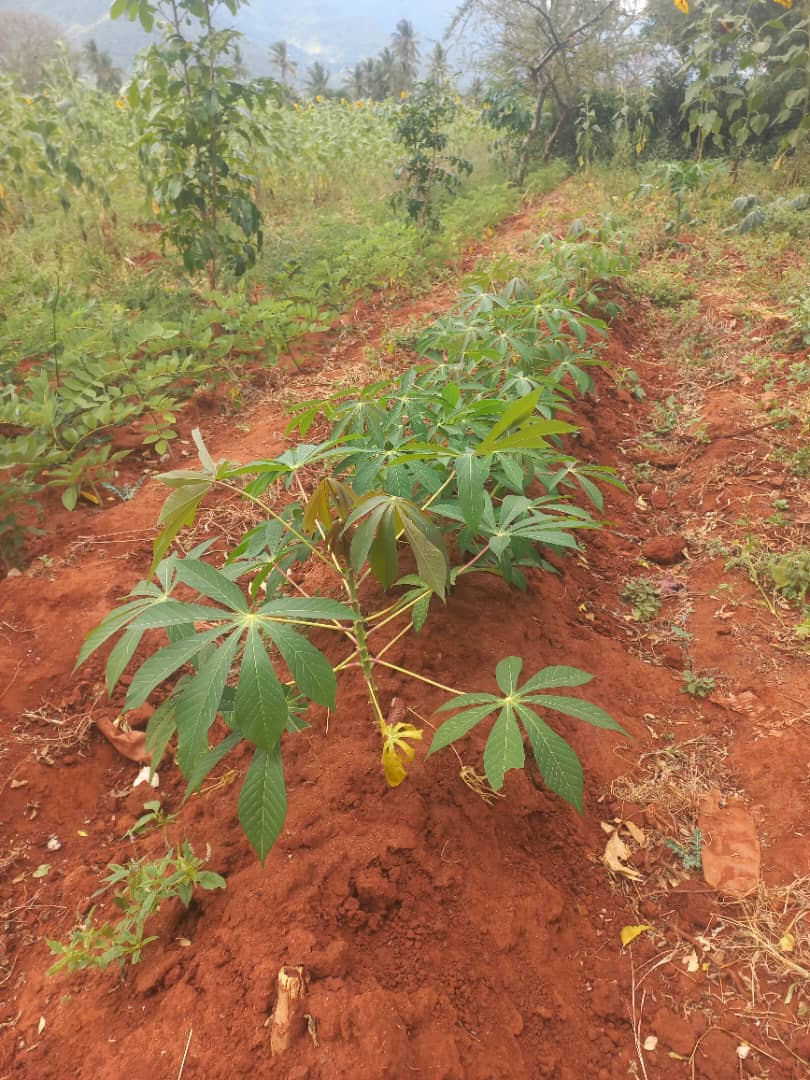
Cassava planting
by Julius Mariki Introduction Farmer groups were provided with cassava cuttings to plant immediately after the rains had started and soils had got soaked deep enough for planting (early April). We…
-

Outplanting seedlings for a live fence
Outplanting Acacial polycantha, Gliricidia sepium and Leucaena leucocephala seedlings on the boundaries of a farm is time to happen right at the start of the rainy season, when the first rains…
-
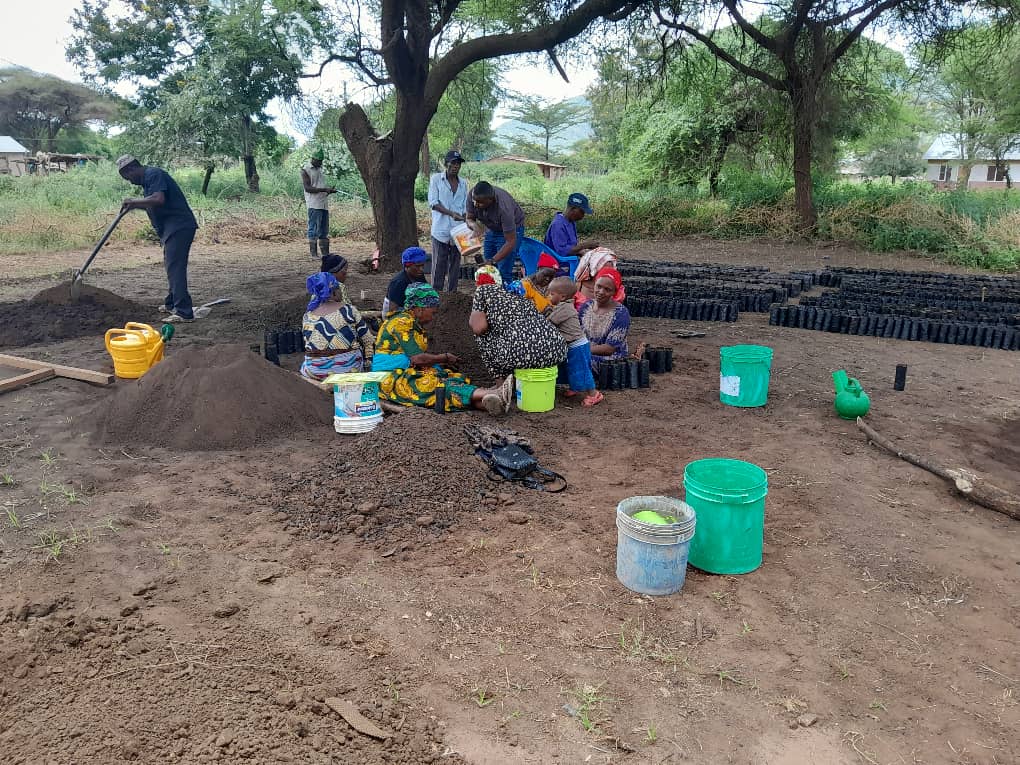
Setting up the first collective tree nursery
This article describes the process of setting up the first nursery for growing the seedlings for the live fence, the wigo. Nursery site selection Farmer were trained to select nursery site…
-
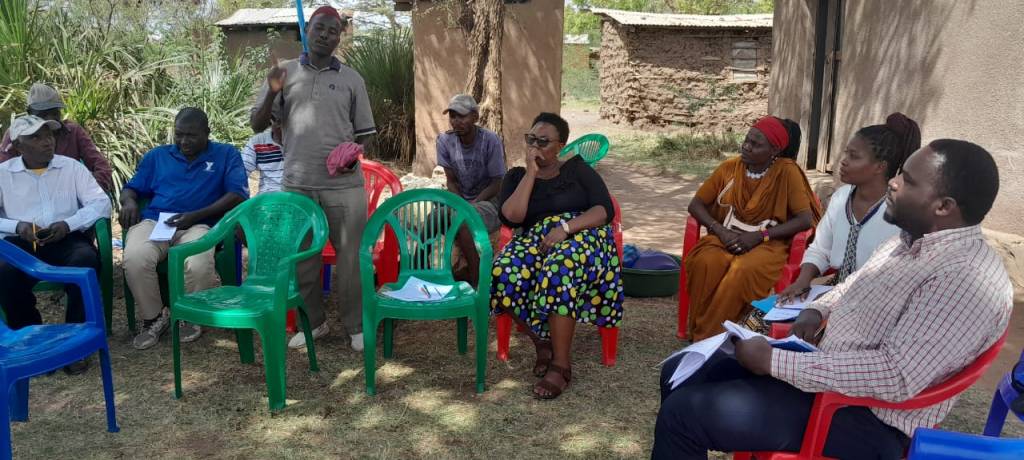
Formation of groups and constitution writing
In this blog article I will briefly describe why our project works with groups, the criteria we use for group members, and the group constitution that is required for making group…
 Blog for Forest Gardens in Mwanga, Tanzania