by Yahaya Jumanne
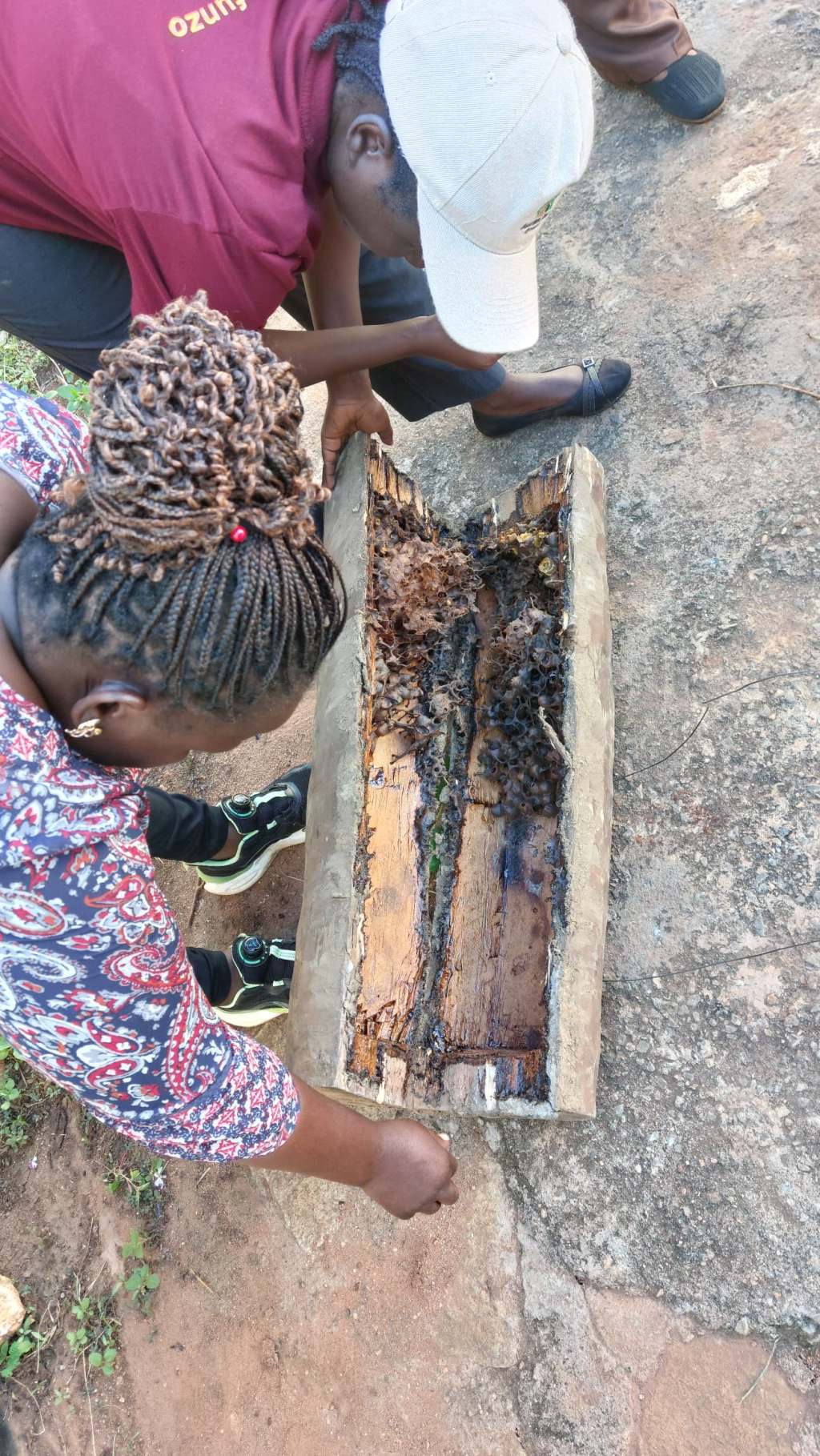
Pollination is the invisible engine behind food production. To strengthen this ecological foundation, the Mwanga Forest Garden project has been integrating stingless beekeeping into the forest garden system, a nature based solution that enhances crop yields, protects biodiversity and creates new income streams for farmers.
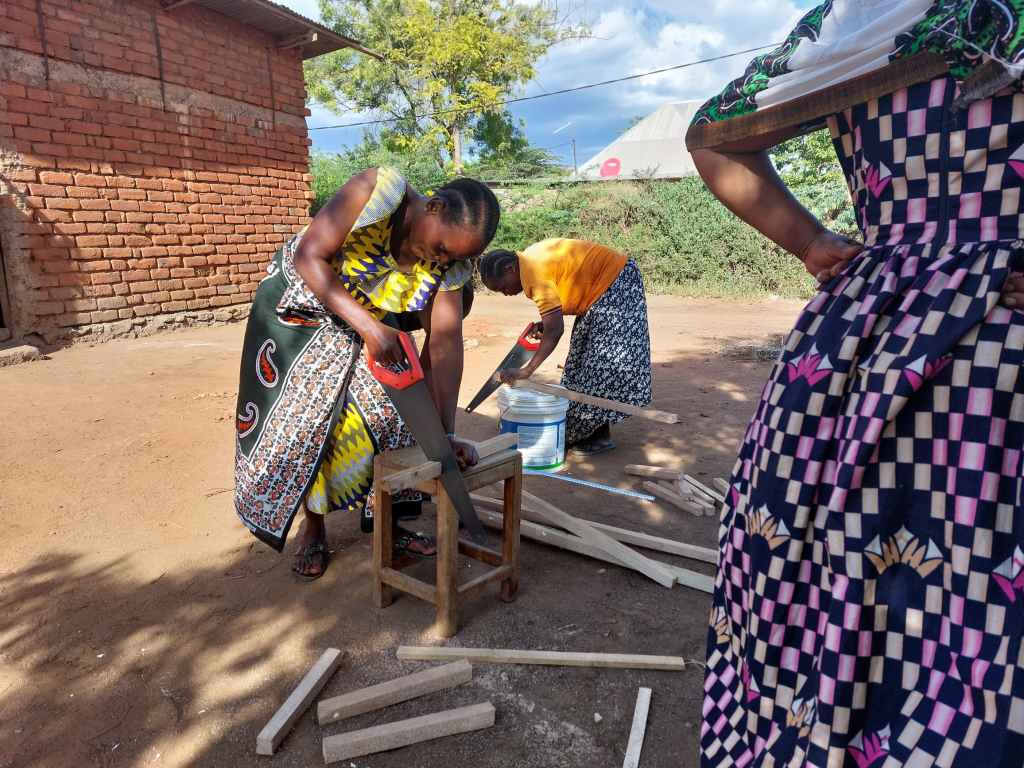
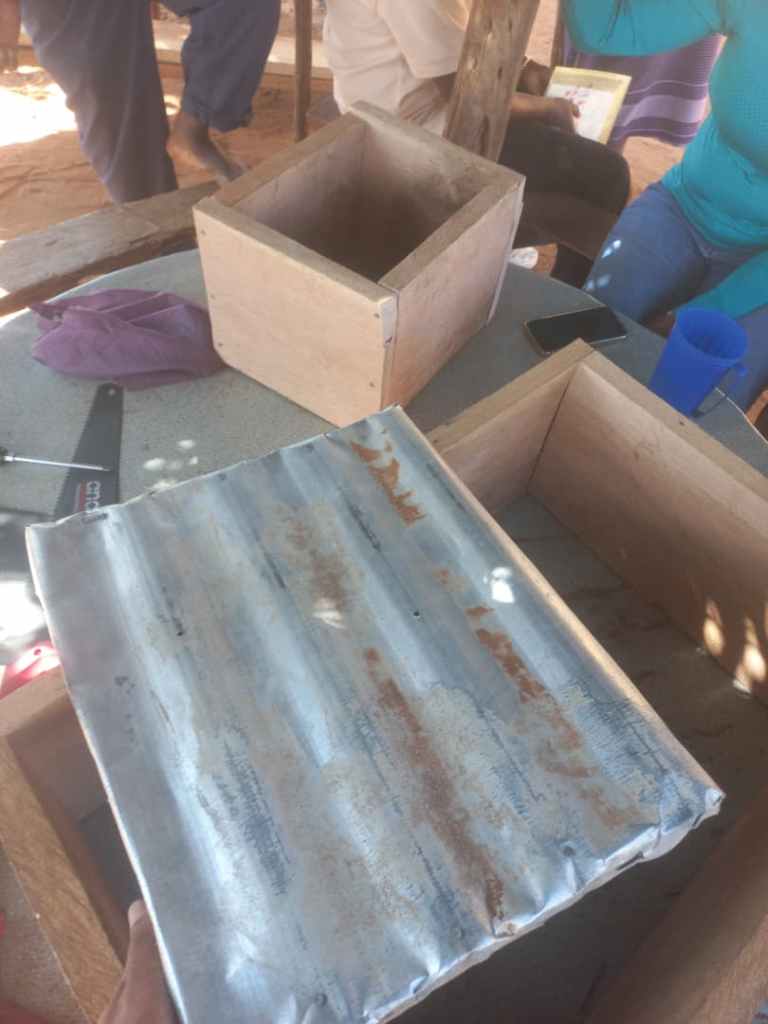
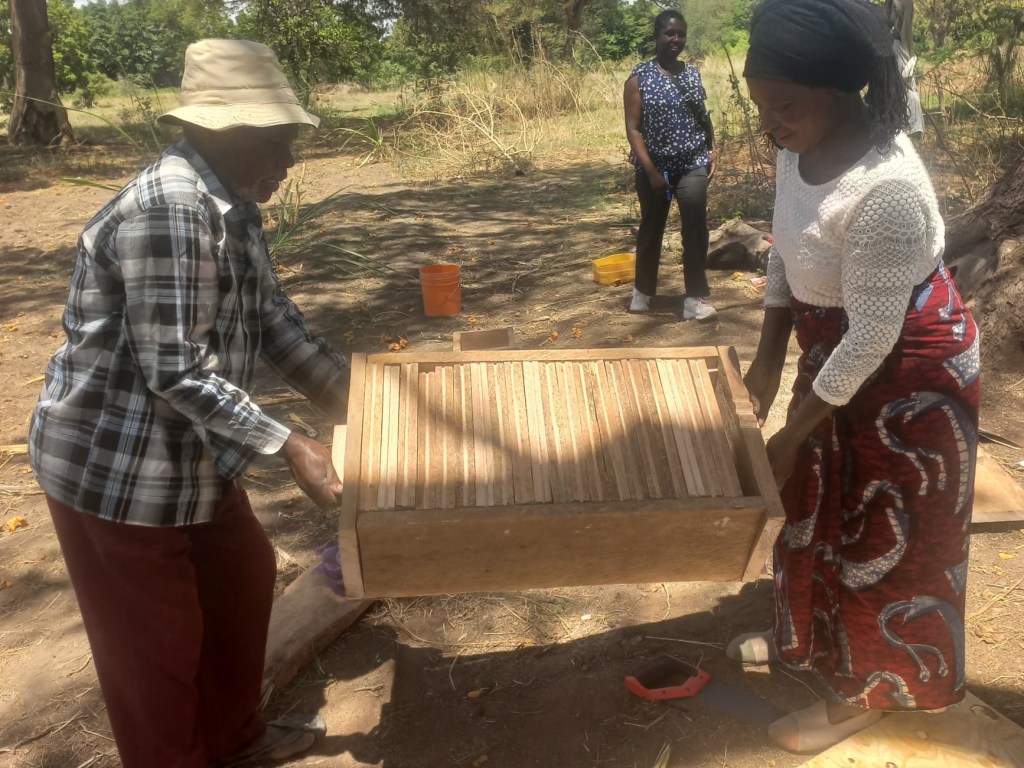
In 2025 farmers across the project sites were trained on how to construct bee hives using locally available materials. As a hands-on learning outcome, they constructed 14 top bar and 12 stingless beehives, demonstrating capacity and motivation to adopt the technology.
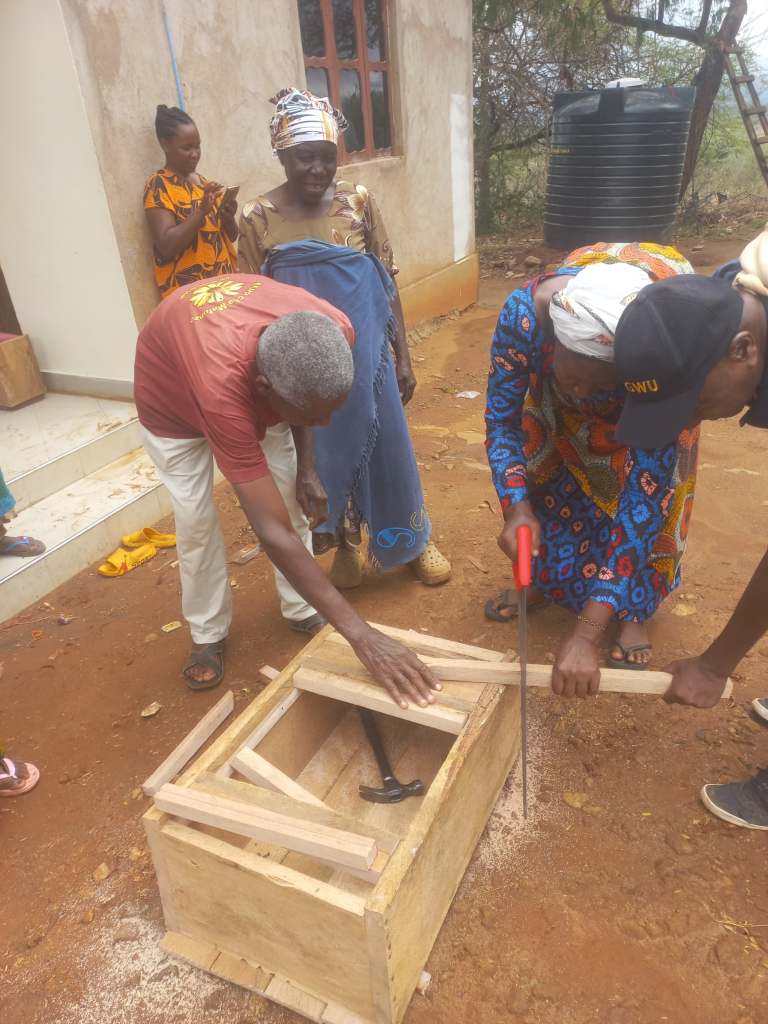
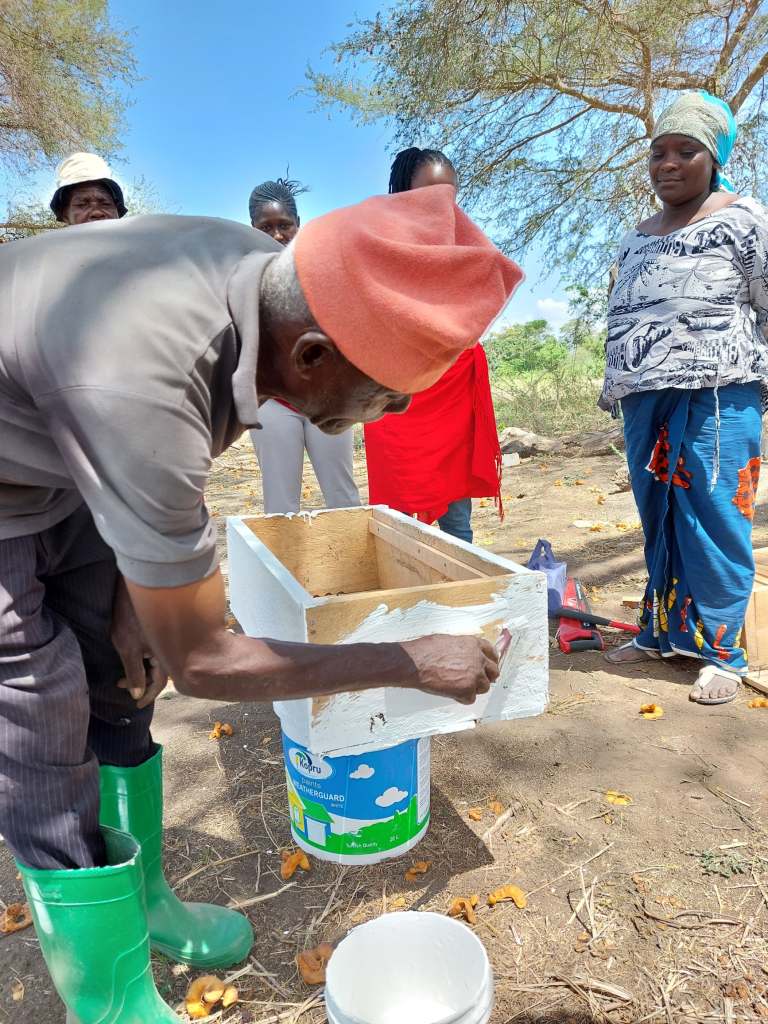
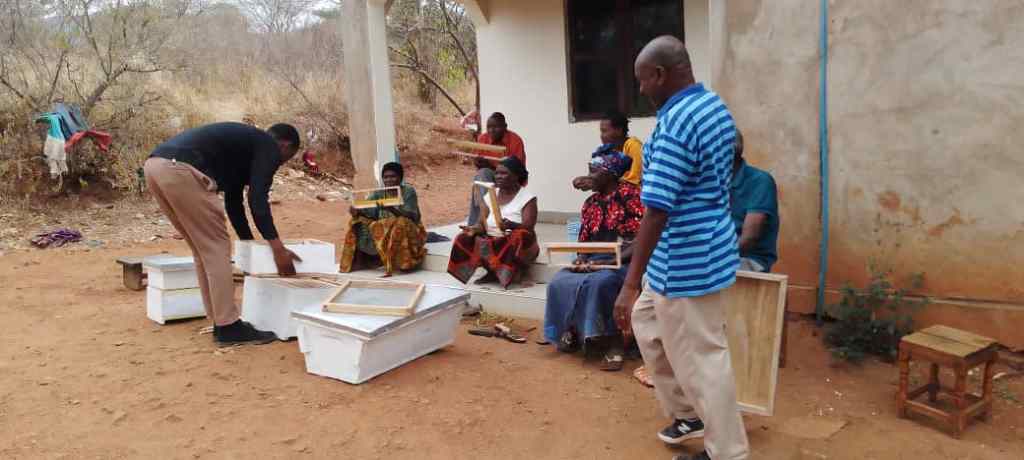
On 15th March 2026, a total of 13 stingless bee colonies were purchased from Meru, Arusha. All colonies were delivered and installed during the same night, an important practice that:
- Minimizes stress to the colonies
- Supports faster adaptation
- Reduces chances of colony loss
Each colony was allocated to farmer groups in: Mabashula, Mkongea, Nyata, Kwakoa, Kiruru Ibwaijewa, Chanjale, Majengo Mapya, Kwanyange A, Kwanyange C, Kitopeni, Kituri C, Kalimani and Mapambano.
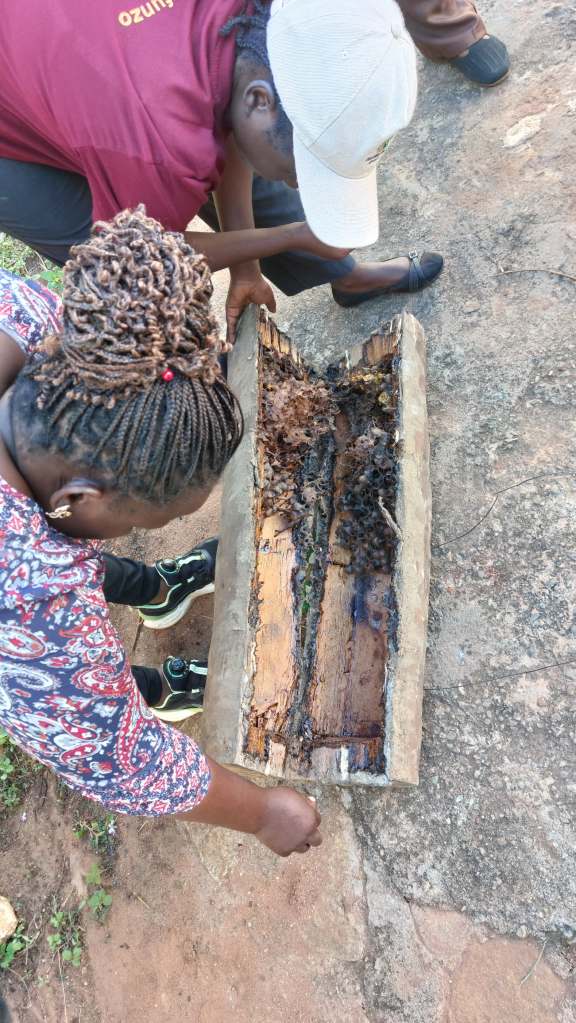
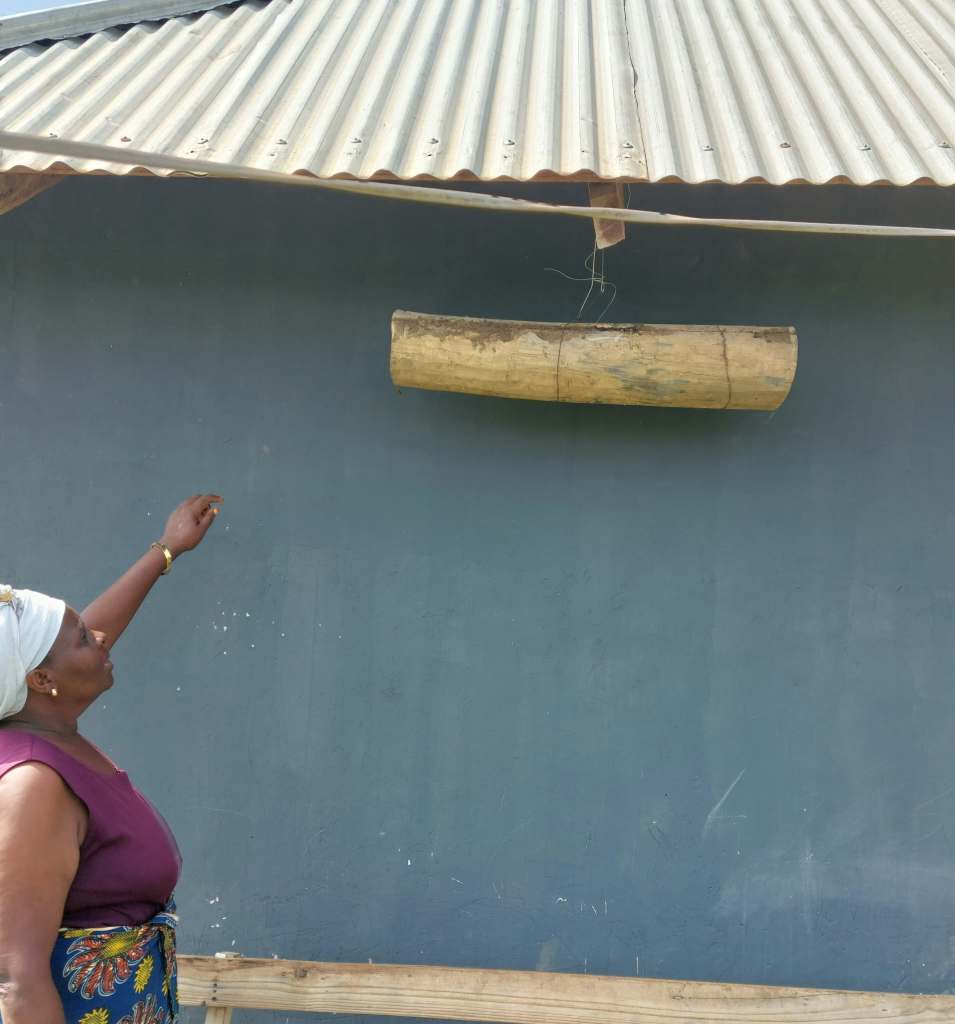
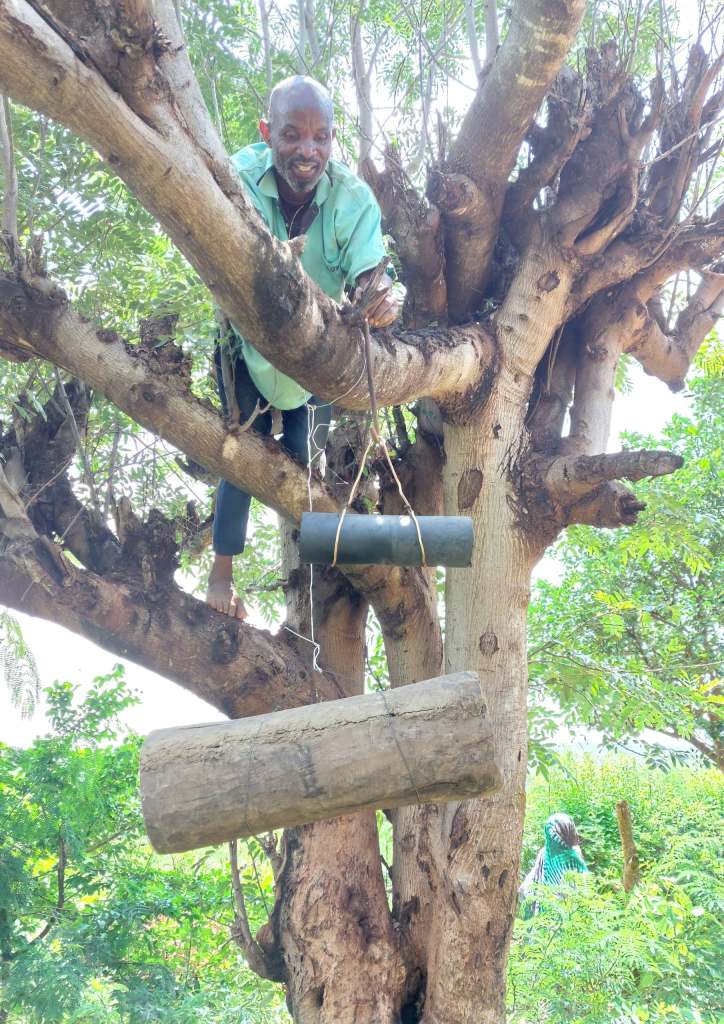
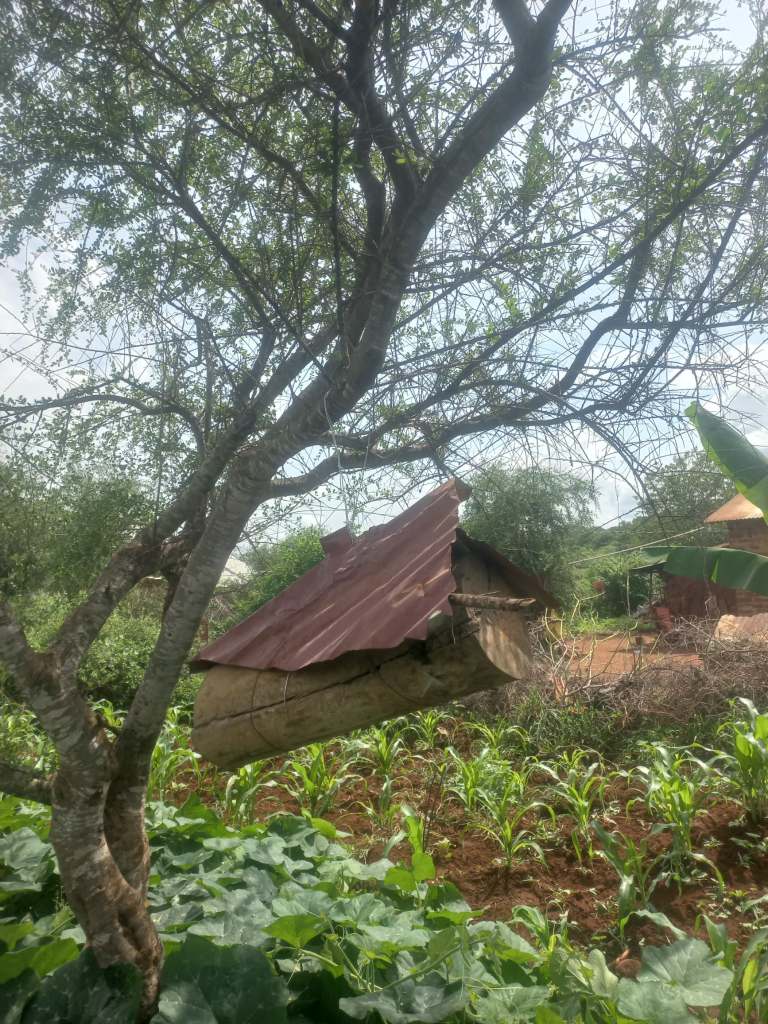
The team ensured the hives were installed correctly to maximize colony performance:
- Placed under roof shade to regulate temperature
- Entrances oriented toward light to stimulate bee activity
- Hung with aluminum wires to deter ants and predators
- Adapted to local structures, e.g., hives placed inside a goat shed in Kwanyange
- Tree-based installations used in Mabashula and Chanjale, with rain protection added
This careful setup allows the project to test colony adaptation in different environments and assess farmers’ management capacity before scaling up.
Routine field visits show that all colonies are performing well. Bees have been observed:
- Entering and leaving the hive actively
- Carrying pollen back to the nest
- Showing high foraging activity
These are strong indicators of successful adaptation to their new locations.
By 15th June 2026, after three months, colonies are expected to begin multiplying through splitting that will allow more farmers to benefit from new colonies.
With colony multiplication expected soon, stingless beekeeping now stands as a scalable, integrated component of the forest garden system, supporting biodiversity restoration and sustainable livelihoods.
To deepen understanding, we have attached the educational material used during training:
It provides essential knowledge on:
- Types of bees
- Colony behavior and reproduction
- Bee products and their uses
- Importance of beekeeping
 Blog for Forest Gardens in Mwanga, Tanzania