Uncategorized
-

by Yahaya Shabani 1. WHY KEEP YOUR OWN PLANTING MATERIALS? 2. CROP SPECIFIC GUIDELINES A. Sweet Potatoes Planting material: Vines (cuttings) How to select: How to store between seasons: 1. Field Storage: Leave some plants in the ground; harvest when needed for vines. 2. Dry Season Storage Pit: Dig a small pit in shaded area,…
-

In order to achieve any target in life, the objectives must be clear. In an endeavor such as establishing a Forest Garden — which takes several years — the objectives should be defined well in advance and reviewed periodically. To help farmers stay focused, the attached self-assessment form was provided 1.5 years before the project…
-
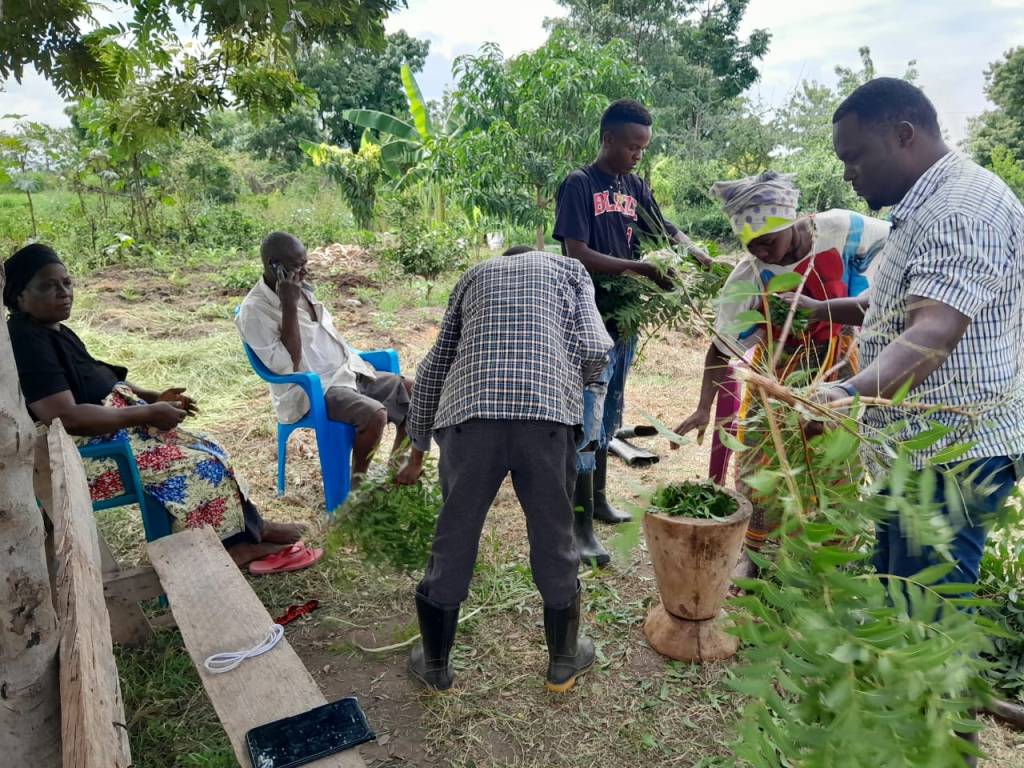
The following is the handout prepared by Sarah Kanza (project intern in Mwanga) for farmers for the training sessions delivered at the beginning of the new cycle of vegetable growing in June 2025. MAGONJWA NA WADUDU, NA UDHIBITI WAKEKupambana na wadudu na magonjwa kwa njia asilia Kuna aina mbalimbali za magonjwa, virus, bacteria, ukungu, kutu…
-
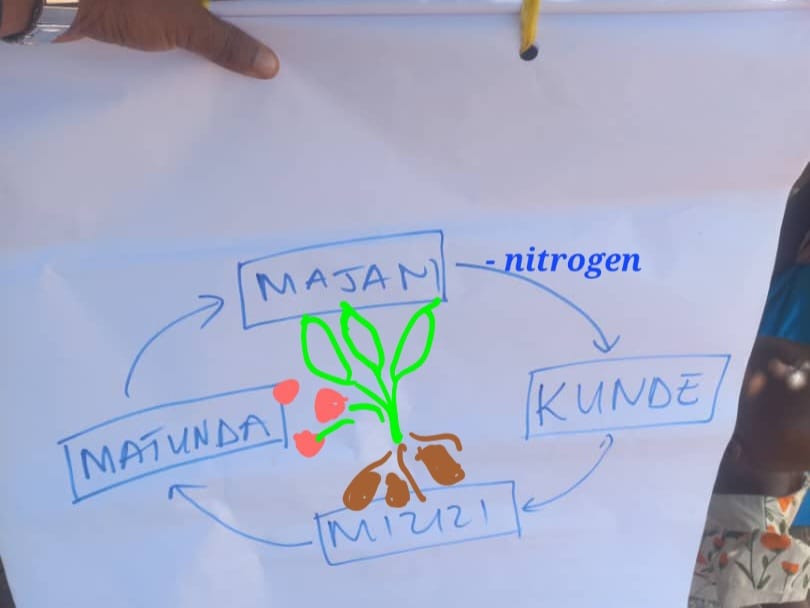
by Yahaya Jumanne Crop rotation is an essential technique for soil fertility and pest management in Forest Gardens. To simplify things, we used the rotation from green leafy vegetables to legumes, from legumes to roots, from roots to fruits, and back to green leafy vegetables. This matches somehow with our simplified instruction we also give…
-

by Yahaya Jumanne 1. Introduction Live fences play a vital role in Forest Garden systems by protecting crops, preventing encroachment, and providing valuable resources like fodder, firewood, and mulch. Acacia polycantha is commonly used for live fencing due to its fast growth and resilience, and its pliant branching pattern, which readily lends itself to weaving…
-
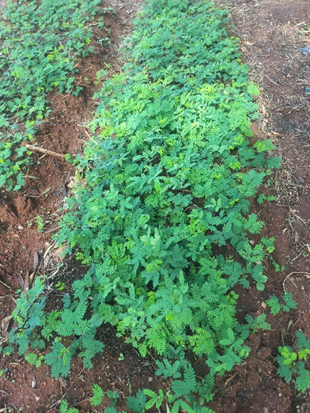
by Yahaya Jumanne In January 2025, farmers were equipped with sustainable nursery techniques by using raised beds for sowing Acacia, Gliricidia, and Leucaena seeds. They learned an affordable and eco-friendly alternative to polybags while enhancing seedling health and growth. Affordability is an essential aspect enabling the scalability of the Forest Garden approach. Farmers were guided…
-
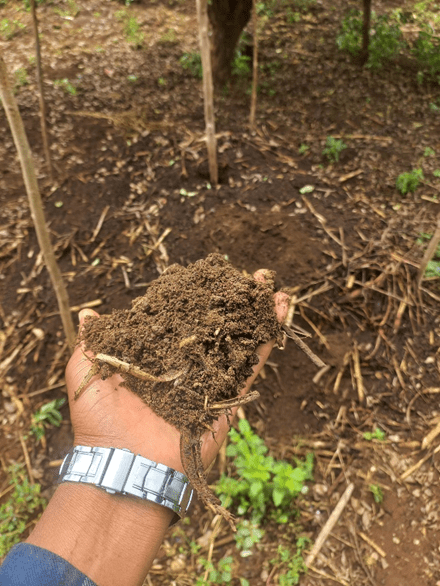
by Yahaya JumanneIn March 2025, 369 forest garden farmers learned the production of organic compost. They were equiped with cost-effective, eco-friendly soil fertility enhancement techniques using local resources. The composting method emphasized the use of leaves and pruned branches from Gliricidia, Leucaena, Pigeon pea, and grasses, all readily available in young Forest Gardens. Farmers learned…
-
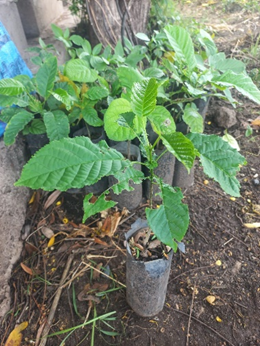
by Yahaya Jumanne Our commitment to increasing biodiversity we have been selecting potential species for various timber trees, fruit trees, and perennial vegetables for some farmers for simple experimenting. Farmers have so far planted Cordia africana, Grevillea robusta, Markhamia lutea, Neem, alongside with fruit trees such as guava, mango, passion, lemon, orange and avocado, Morus…
-
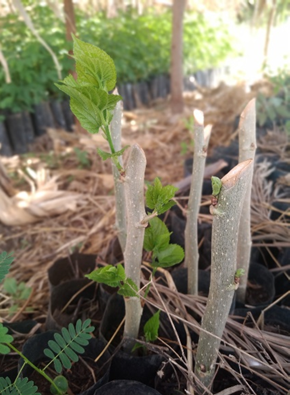
by Yahaya Jumanne As part of our ongoing efforts to enhance biodiversity and sustainability, we have introduced Morus alba (white mulberry or Mandela) into our forest garden. This multipurpose tree plays a vital role in our agroforestry system, offering a range of benefits that align with our ecological and agricultural goals. Why Morus alba? Implementation:…
-

by Yahaya Jumanne Here are a few steps to grow your own Chaya plant: Why did we introduce chaya? Chaya (Cnidoscolus aconitifolius), often referred to as the “tree spinach,” is a perennial shrub native to Central America. Known for its nutritional value and ease of cultivation, it has been embraced by communities for its role…
 Blog for Forest Gardens in Mwanga, Tanzania