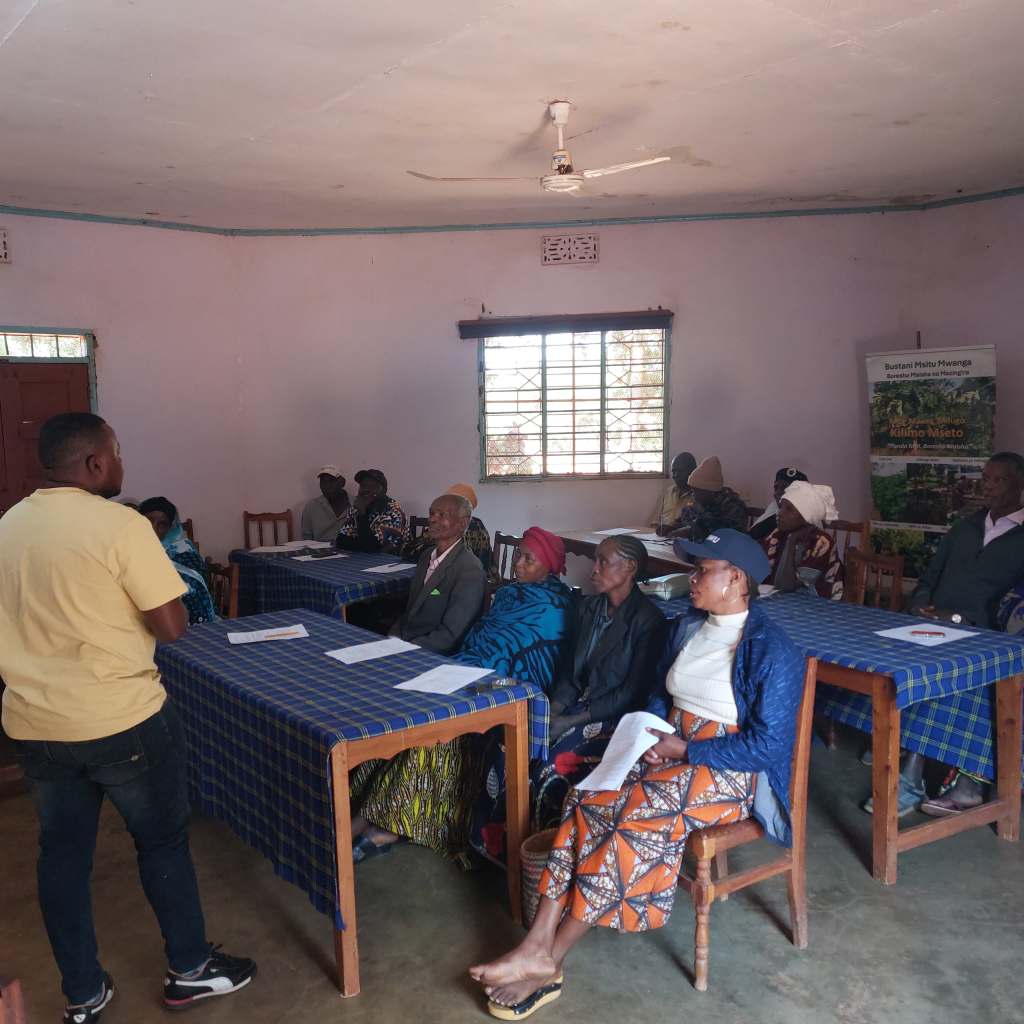
In May 2025, we began supporting farmers by providing training in agribusiness. The first two training sessions introduced farmers to basic business concepts and vocabulary and helped them develop essential business skills, including business planning using SMART goals and record keeping for farm inputs and outputs. Each farmer was given a task to make a business plan. Facilitators helped and gave feedback during joint sessions.
The lesson plans for the first two farmer training sessions are provided below.
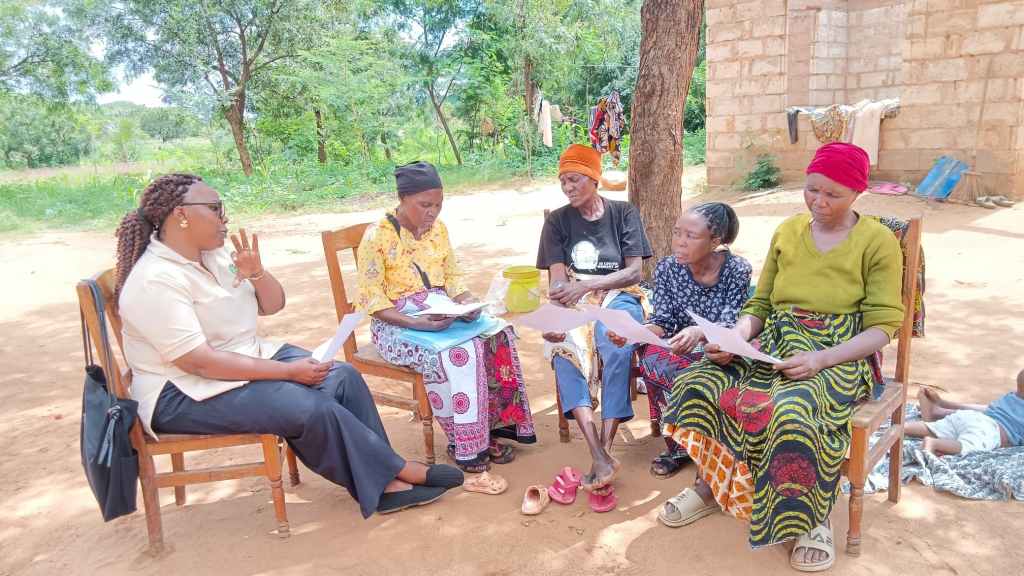
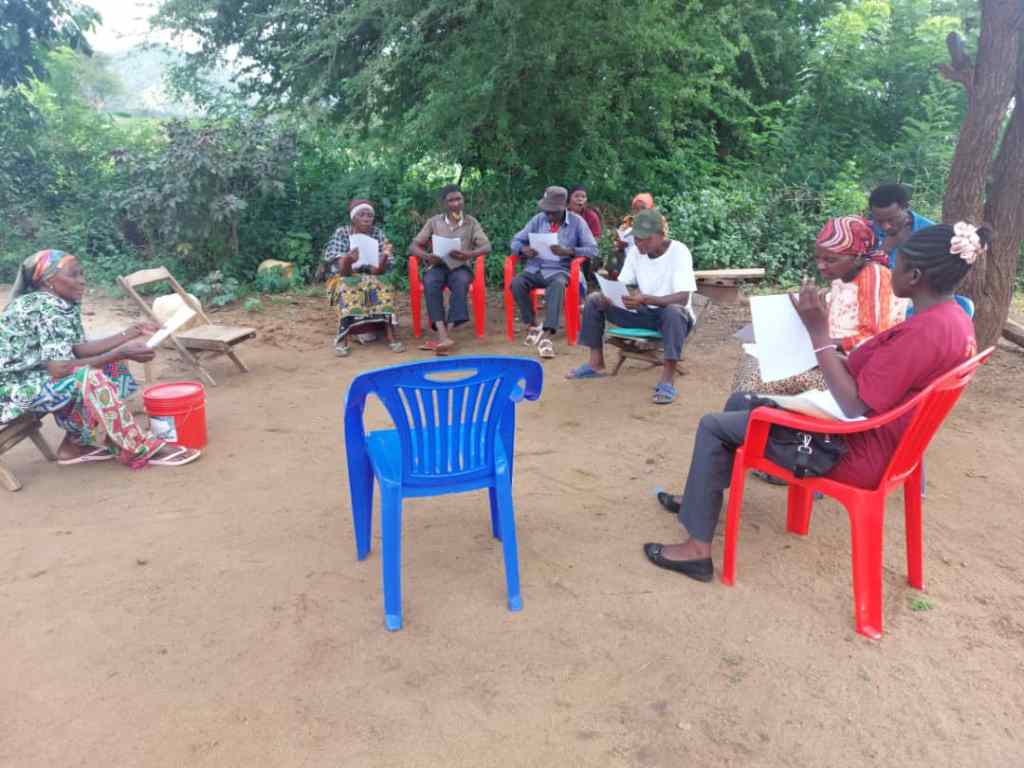
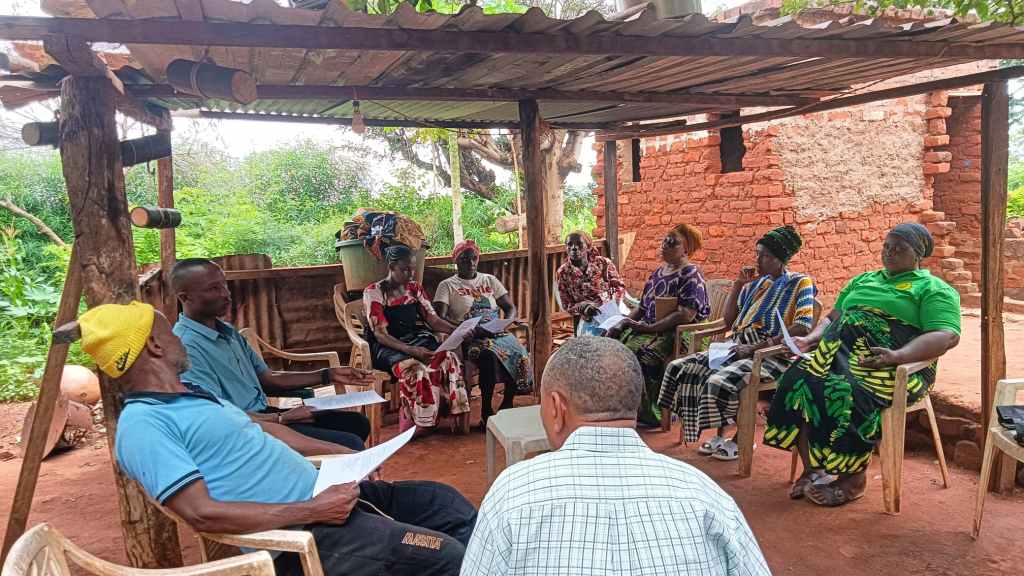
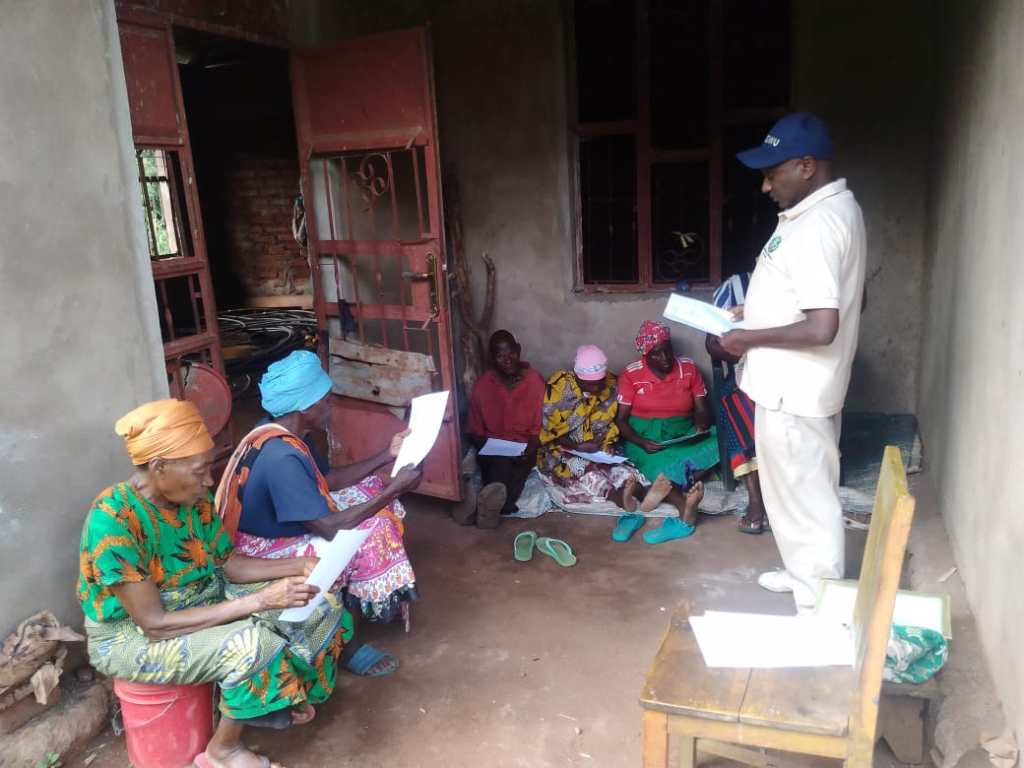
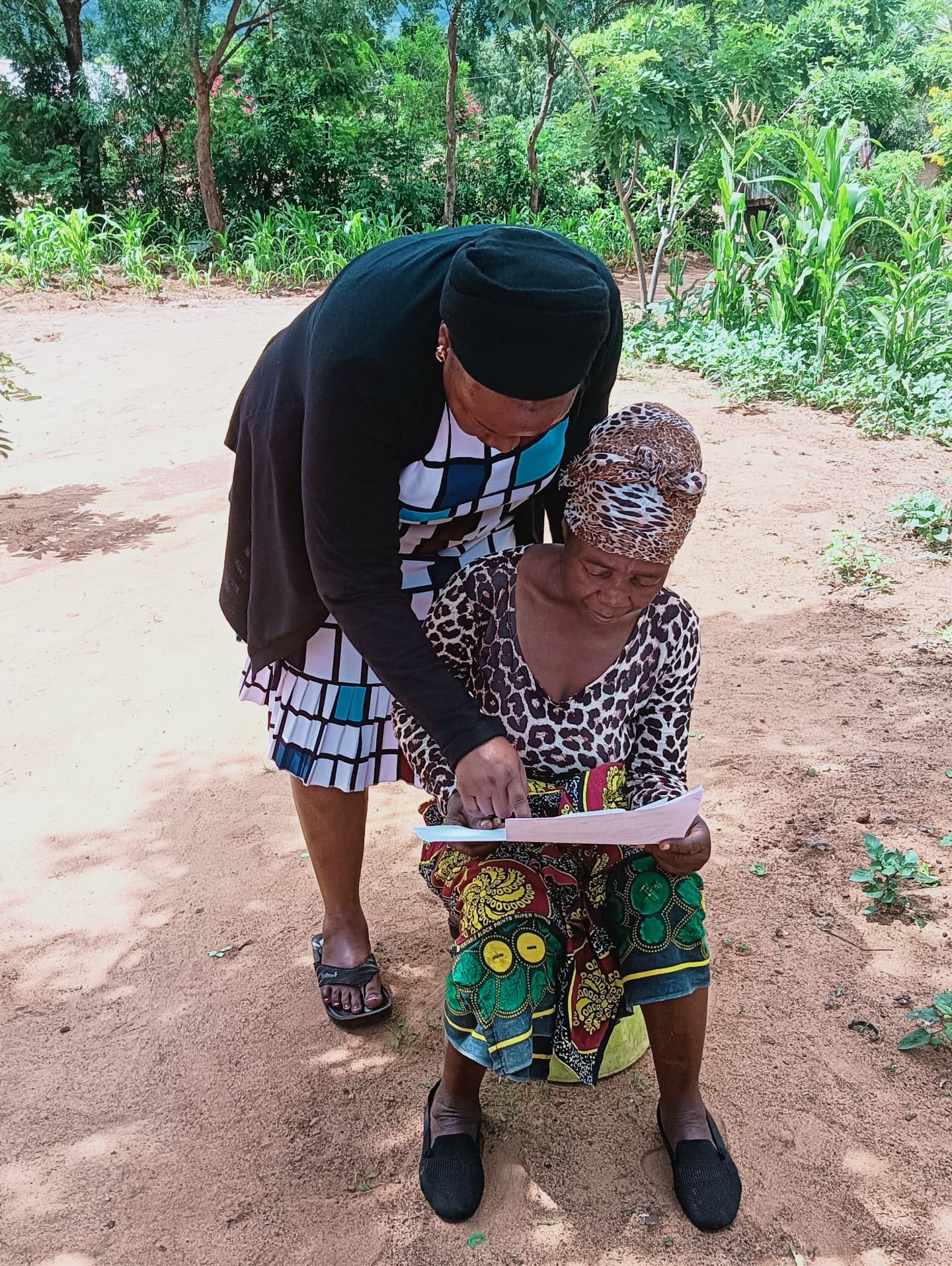
The training materials and expertise were developed through a capacity-building process. Four project facilitators (two project officers and two extension officers) first attended an entrepreneurship and agribusiness course at Sustainable Agriculture Tanzania (SAT) in Morogoro. They then shared their knowledge by conducting a two-afternoon agribusiness seminar for the rest of the facilitation team. In December 2025, Eija from Liana, Finland, also had the opportunity to participate in these seminars. These were truly participatory and lively seminars, as all participants contributed to the joint learning by discussion and adding content and knowledge.
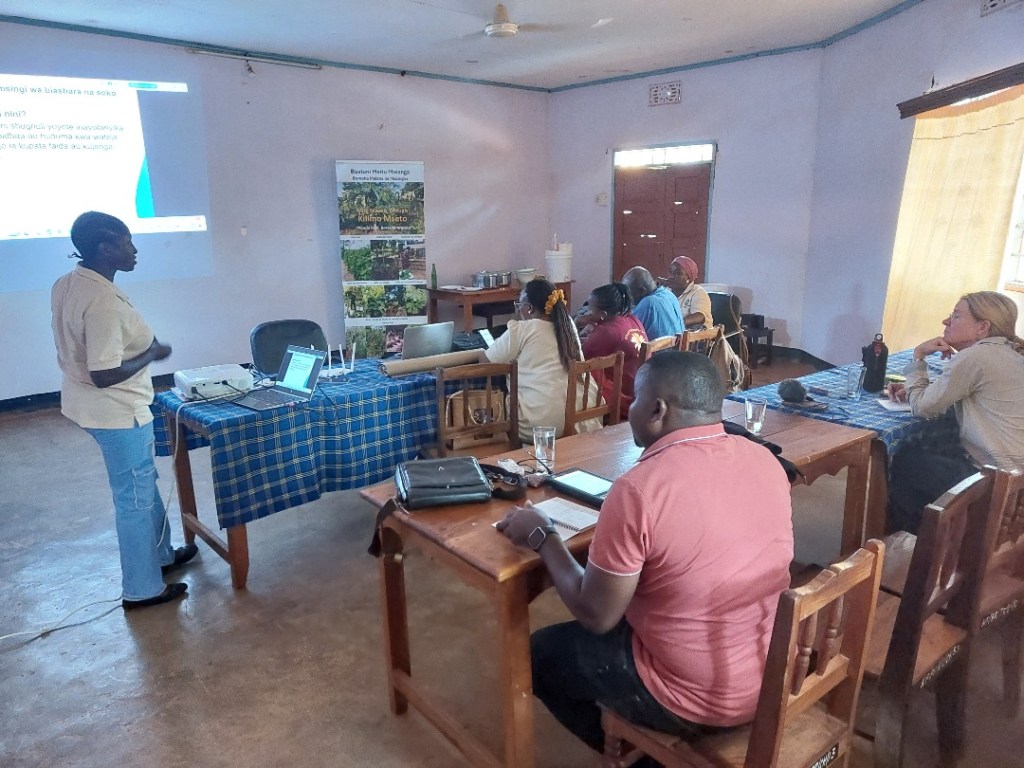
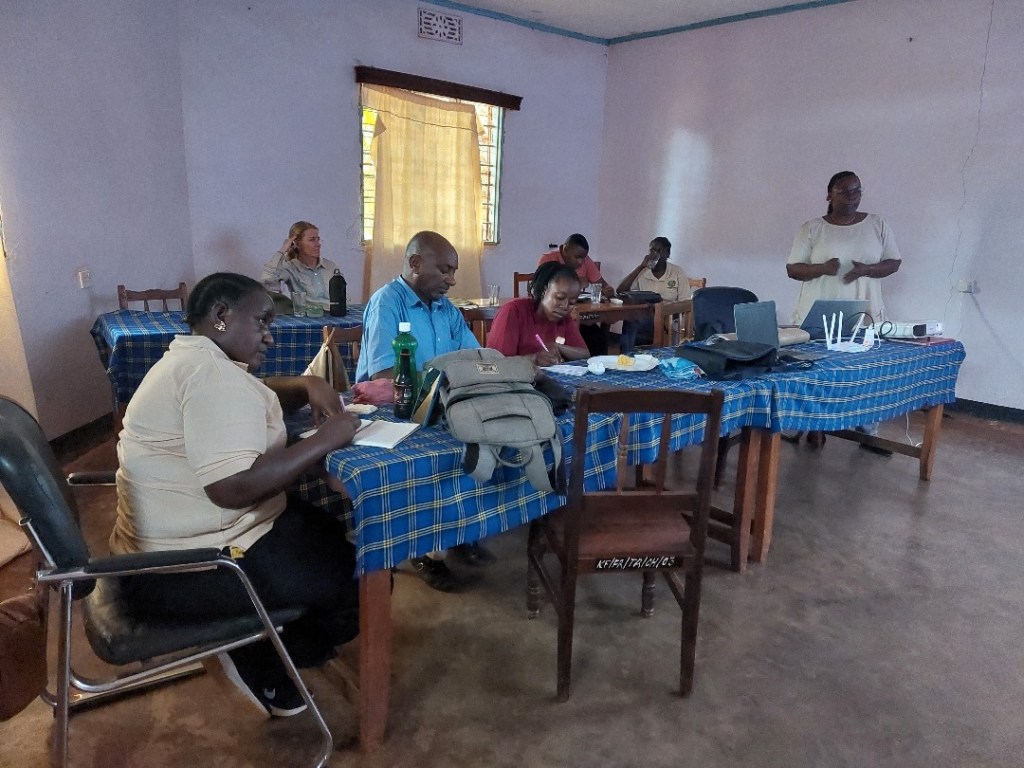
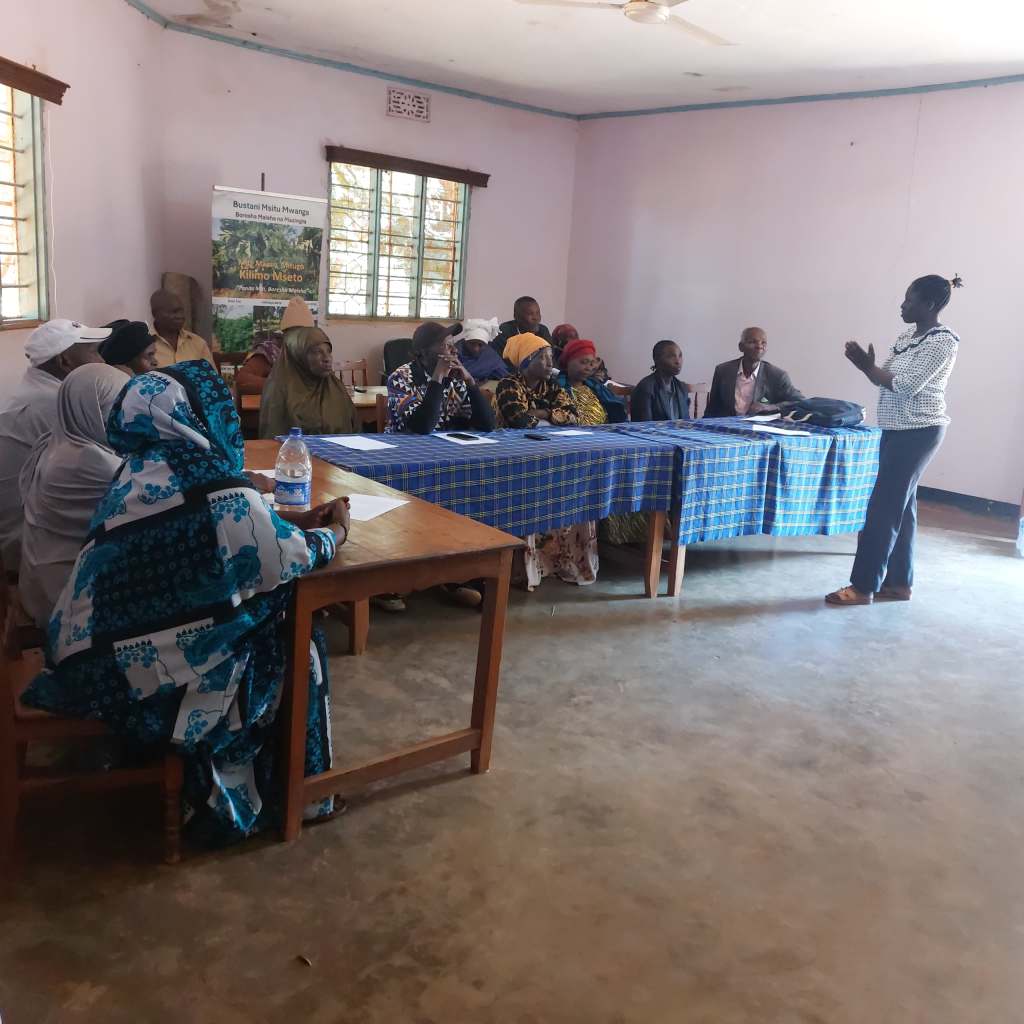
The next phase was to expand cooperation beyond individual farmer groups. This marked the beginning of the process of establishing a Marketing Association. As an initial step, a network was formed with one representative from each of the 26 farmer groups to serve as the group’s contact representative. The project facilitated a co-creation meeting with these representatives in late June to strengthen collaboration and prepare for the sustainability of project activities beyond the project period.
During the meeting, participants established the Forest Garden Farmers Network, comprising 4 ward secretaries that represent groups in their ward, and 26 group representatives who represent their groups. These are to coordinate the collective purchase of vegetable seeds, improve communication among farmer groups, and share market information, advertise products for sale or products that are wanted. 26 groups in total represent also quite a lot of purchsing power themselves, as products can also be sold inside the network.
As of late July, we have already learned that the ward secretaries will be replaced by village level secretaries, as farmers need to know the secretary personally to fully trust him or her.
The network agreed to consolidate seed orders for bulk purchasing, reducing transport costs, and to exchange information on available produce and potential buyers, enabling farmers to market their products collectively.
Example: A farmer has pigeon peas available for sale. They inform their group representative of the quantity available and the asking price. The representative then sends an SMS to the representatives of the other farmer groups, who pass the information on to their members. This enables interested farmers to respond quickly, allowing the pigeon peas to be sold rapidly within the Forest Garden Farmers Network.
Example: The vegetable planting season is approaching, and farmers want to have their produce ready when market prices are highest. Group members submit their seed orders to their group representative. The group representatives forward the consolidated orders to the ward secretary, who organises a bulk purchase of seeds. By purchasing together, farmers reduce transport costs and may also benefit from lower prices through larger orders.
Example: A farmer learns that an institutional buyer is looking to purchase a large quantity of papayas. The farmer informs their group representative, who passes the information to the ward secretary. The ward secretary then shares the opportunity with the other ward secretaries in the network. While no single farmer can supply the required quantity, the farmers can meet the demand by working together. They agree on a production plan so that, together, they can supply the buyer with the required amount of papayas.
SOMO LA 1: UJASIRIAMALI NA MSINGI WA KILIMO BIASHARA
Give out handouts to farmers. Tell: “This is the first introductory agribusiness session and one or two lessons will follow later.” Read through the objectives of this session:
Malengo ya Somo
Baada ya somo hili, mkulima ataweza:
- Kuelewa tofauti ya kulima kwa mazoea na kulima kwa biashara
- Kubaini fursa za biashara kwenye bustani msitu
- Kutambua wazo zuri la biashara
- Kuelewa maana ya soko
Ask: “Can someone volunteer to read aloud the definition of BUSINESS”
1. Biashara ni nini?
Biashara ni shughuli yoyote inayofanyika ili kutoa bidhaa au huduma kwa wateja kwa lengo la kupata faida au kujenga thamani.
Read: “These are the main components of a business”
Vipengele muhimu vya biashara
- Bidhaa/Huduma – Unachouza (mbogamboga, matunda, mbegu…).
- Wateja – Nani ananunua (sokoni, mama lishe…).
- Soko – Watu wanaohitaji bidhaa yako.
- Usimamizi – Jinsi unavyopanga na kuendesha shughuli.
- Faida/Matokeo – Mapato au maendeleo.
Ask: “What do you think, is soko the place in the village where people come to sell and buy things?” (get some answers… yet it is that too) Explain: “However, in business language SOKO means something else.”
“Can someone volunteer to read what soko is in business language”
2. Soko ni nini?
Soko ni watu wanaohitaji bidhaa yako na wako tayari kununua.
Jiulize:
- Nani atanunua?
- Atanunua kiasi gani?
- Atanunua lini?
- Kwa bei gani?
Kumbuka:
- Kilimo bila soko = Hasara
- Kilimo chenye soko = Biashara/ Faida
Ask: “Now, share some thoughts of what farm products have you sold before and who your customers were.”
Ask: “What kind of methods could you use to find customers?”
Ask: “What do you think, would it be beneficial if you had the same customers long-term so that you would not need to look for customers all the time?
Ask: ”How can you retain the same customers long-term?” (one important thing that needs to come from the answer is that you need to have reliable production!)
“Here we have some ideas on how you could increase your income by farming as a business” (Read):
3. Jinsi ya kuongeza kipato chako
- Kupanua soko (tafuta wateja wapya).
- Kuzalisha bidhaa mpya mfano juisi au kukatakata mboga Mchanganyiko.
- Kuongeza vyanzo vya mapato (mfano: nyuki, kuku, miche, mbegu).
- Kupunguza hasara (uvunaji kwa wakati na utunzaji mzuri).
- Kutafuta soko kabla ya kuvuna.
- Kupunguza changamoto na hasara.
- Panda mazao tofauti (mfano: mboga, matunda, mahindi, maharage).
- Tumia umwagiliaji (uwagiliaji wa matone, visima au tanki la kuhifadhia maji).
- Kuwa na wateja zaidi ya mmoja (shule, sokoni, mama lishe na majirani).
Ask: “Nani amesikia neno Ujasiriamali, raise your hands?” “Who can explain what it means without reading from your handout?” (get answers). “Let’s read now the definition”:
4. Ujasiriamali ni nini?
Ujasiriamali ni uwezo wa kuona fursa, kuchukua hatua, kukubali changamoto na kulenga kupata faida.
Mjasiriamali ni mtu anayeona fursa, anachukua hatua, anakubali changamoto na analenga kupata faida.
Tabia za mjasiriamali
- Mbunifu na mwenyekuona fursa.
- Mwenye uthubutu
- Mwenye bidii
- Ana malengo
- Anajenga mahusiano
- Anaangalia mbele
- Anatunza kumbukumbu
Tell: “Section 5 gives you an example of the simplest way of how to plan a business, what you need to think. We will go deeper into this in the following session, but this is the introduction.
– You need to define your Wateja based on what you think they need (Mama lishe or sokoni).
– Then you think about how much you can produce and how much customers want to buy.
– When are you going to do this activity and selling.
– And you need to think if you have competition… is someone else producing the same product as you think of producing and what price do they sell the same product.”
5. Uchambuzi rahisi wa soko (Mfano)
| Kipengele | Mfano |
| Wateja | Mama lishe, sokoni |
| Kiasi | Gunia 10 za mbogamboga kwa wiki |
| Msimu | Kiangazi bei iko juu |
| Ushindani | Wakulima wachache |
Tell: “When you start to ask the questions above, you are going towards kilimo biashara! So what is it?” Read:
6. Kilimo biashara ni nini?
Ni kilimo kinachofanywa kwa lengo la kuuza na kupata faida kwa kutumia mpango mzuri na usimamizi.
7. Tofauti ya mkulima wa kawaida na mfanyabiashara
| Mkulima wa kawaida | Mkulima mfanyabiashara |
| Hulima kwa mazoea | Hulima kwa mpango |
| Hajui gharama | Anajua gharama zote alizotumia |
| Huuza kwa bei yoyote | Huuza kwa faida |
| Hana soko la uhakika | Ana wateja wa uhakika |
Ask: “Without reading from your handouts, how does a person get a business idea?” (wait for answers) Read:
8. Jinsi ya kupata wazo la biashara
- Angalia biashara zilizopo kwenye eneo lako au masokoni.
- Tambua matatizo na toa suluhisho. Kama gani? Wafanyakazi wangehitaji chakula cha haraka > katakata vipande na uza
- Pata ushauri kwa mtu aliye kwenye biashara.
- Jadili na wengine: rafiki, ndugu, watoto. Mara nyingi kilimo biashara ni ya familia
- Angalia mahitaji ya soko la ndani na nje ya eneo ulilopo.
Kuongeza thamani: Mboga → kausha, na Matunda → tengeneza juisi / katakata vipande
Sifa za wazo zuri
- Linatatua tatizo.
- Linahitajika sokoni.
- Linawezekana.
- Lina faida.
- Linaweza kukua.
Kanuni: Tatizo + Suluhisho = Wazo la biashara
Say: “Let’s use a short time to find answers to the following questions”
Zoezi la kufanya kwa mkulima.
- Ni bidhaa gani unaweza kuzalisha?
- Nani atanunua?
- Utauza wapi?
“At home, discuss business ideas with your family members. When we continue the lessons, you will get more advice on how to do it in an organized way. Our next lesson is a practical exercise on how to plan a business step by step and how to keep records”
Tengeneza wazo lako la biashara.
SOMO LA 2: MPANGO WA BIASHARA
1. Malengo
Malengo ni mipango unayoweka ili kufikia kitu fulani ndani ya muda fulani.
Aina za malengo
- Muda mfupi (chini ya miezi 12)
- Muda mrefu (zaidi ya miezi 12)
Umuhimu wa malengo
- Hutoa mwelekeo wa kazi au biashara yako.
- Hupima maendeleo (wapi umetoka, hali ya sasa na wapi unatarajia kufika).
- Hujenga nidhamu (matumizi na mapato ya biashara ni tofauti na matumizi ya familia).
- Hupunguza upotevu wa fedha kwa kuweka kumbukumbu ya kila shilingi.
2. Mpango wa biashara ni nini?
Ni mwongozo wa jinsi utakavyoendesha biashara yako.
Umuhimu wake
- Hukusaidia kupanga biashara (wafanyakazi, wasimamizi na uzalishaji wa mazao).
- Husaidia kufanya maamuzi sahihi (kiasi cha mtaji, muda wa kufanya kilimo…).
- Husaidia kupata mkopo au mtaji (mkopo wa halmashauri 10% kwa kinamama na vijana).
- Hupima maendeleo ya biashara kwa kuonyesha matokeo, faida au hasara.
3. Vipengele vya mpango wa biashara
- Maelezo ya biashara (historia fupi ya biashara, malengo na jina la biashara).
- Bidhaa/huduma (aina ya bidhaa na kiasi cha uzalishaji).
- Masoko (wateja wa bidhaa yako).
- Uendeshaji (msimamizi wa biashara).
- Fedha (chanzo cha mtaji, mfumo wa mapato na matumizi).
- Kumbukumbu (mapato na matumizi, kiasi cha uzalishaji na kumbukumbu ya wateja).
4. Mtaji
Aina za mtaji
(a) Mtaji wa kuanzia
- Usajili: kama biashara itasajiliwa.
- Vifaa (majembe, visima, matanki,
- Gharama za uzalishaji
(b) Mtaji wa uendeshaji
- Mbegu, mbolea.
- Mishahara ya vibarua.
- Usafiri na vifungashio.
- Maji na umeme.
5. SMART GOALS (Malengo Bora)
Malengo lazima yawe na mpangilio maalumu.
Kwa kutumia mbinu ya smart goals malengo yanatakiwa kua:
- Specific-malengo yawe maalumu, lengo lisiwe la jumla bali liwe wazi.
Kipi kinafanya biashara yako iwe specific: papai au Leshuu au asali?
- Measurable-liwe na uwezo wa kupimika, lengo liwe na kipimo.
Utazalisha roba ngapi? Asali lita ngapi? Mapapai mangapi?
- Achievable-linalowezekana, lengo liwe ndani ya uwezo wako, liwe ndani ya rasilimali ulizonazo.
Nina eneo la kutosha kufanyia uzalishaji? Nina nguvu kazi ya kutosha?
- Realistic-lengo liwe na uhalisia, liwe na ukweli ndani yake, liwe halisi.
Lengo linatekelezeka kwa kipindi husika?
- Time-malengo yawe na muda maalumu. lengo liwe na tarehe ya mwanzo na mwisho wa kukamilika au kutimiza.
6. Kumbukumbu za biashara
Kila mkulima anatakiwa kuwa na daftari la kuandika mapato na matumizi.
Mfano wa kumbukumbu za biashara ya kilimo cha mbogamboga
KUMBUKUMBU ZA FEDHA JUNI-JULAI 2025
| Tarehe | Mapato | Kiasi | Tarehe | Matumizi | Kiasi |
| 01.06.2025 | Mtaji anzia | 150,000/= | 01.06.2025 | Mbegu (Chainizi, Leshuu, Mnavu) | 15,000/= |
| 12.07.2025 | Leshuu roba 1 | 30,000/= | 02.06.2025 | Kuandaa shamba | 10,000/= |
| 12.07.2025 | Chainizi roba 1 | 30,000/= | 03.06.2025 | Kuanzisha kitalu (kusia) | 10,000/= |
| 12.07.2025 | Mnavu roba 1 | 30,000/= | 10.06.2025 | Dawa (mwarobaini) | 8,000/= |
| 19.07.2025 | Leshuu roba 2 | 60,000/= | 17.06.2025 | Kupanda miche ya mboga | 12,000/= |
| 19.07.2025 | Chainizi roba 2 | 60,000/= | 30.06.2025 | Bili ya maji | 3,000/= |
| 19.07.2025 | Mnavu roba 2 | 60,000/= | 03.07.2025 | Palizi | 10,000/= |
| 12.07.2025 | Uvunaji (Leshuu, Mnavu,Chainizi) | 3,000/= | |||
| 12.07.2025 | Vifungashio (Roba 3) | 3,000/= | |||
| 12.07.2025 | Usafiri-sokoni | 10,000/= | |||
| 19.07.2025 | Uvunaji (Leshuu, Mnavu,Chainizi | 3,000/= | |||
| Vifungashio (Roba 3) | 3,000/= | ||||
| Usafiri-sokoni | 10,000/= | ||||
| Jumla | 420,000 | Jumla | 100,000 | ||
Faida = Mauzo (mapato) – Gharama (matumizi)
Faida = 420,000 – 100,000 = 320,000/=
HITIMISHO
Bustani msitu ni chakula pia ni chanzo cha biashara kama ukilima kwa mpango.
Download lesson plans:
 Blog for Forest Gardens in Mwanga, Tanzania